Testing page for app
-
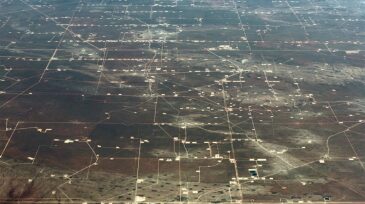
 Tracking down fugitive emissions has traditionally relied on small-scale detection efforts. This new project seeks to buck the trend by covering the Permian Basin with sensors.
 -
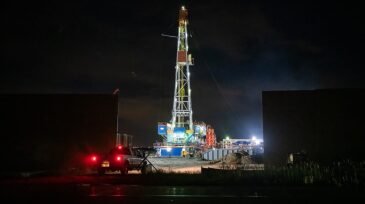
The number of temporarily abandoned oil and gas wells is up 37% from last year, but Colorado regulators say they still have the time—and money—to inspect them.
-
Neptune must pay Energean a break-up fee of $5 million for cancelling what was to be a $250 million deal.
-
The recent increase in global liquid fuel inventory has been largely driven by travel restrictions, and reduced economic activity. Supply is expected come back down as demand and prices recover.
-
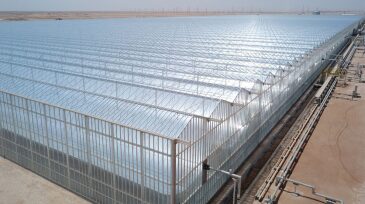
GlassPoint Solar was founded in 2008 to replace the use of natural gas for steamflooding heavy-oil reservoirs. But amid low energy prices, its chief investor has decided to pull the plug for good.
-
Middle East could lose 15% of ethane-based ethylene supply in 2020 because of oil supply dynamics.
-
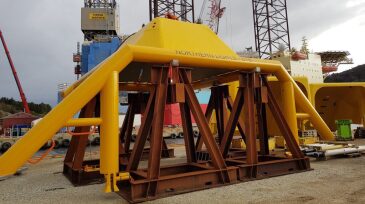
An investment decision this year would sanction Norway’s first CO2 storage project. Phase 1 is expected to be operational in 2024.
-
For as long as anyone can remember, the liquid carry-over separation efficiency of 0.1 gal/MMscf has been ubiquitously specified in separator design. This article provides the most likely scenario of its evolution.
-
The silver lining for those overseeing the unprecedented shut ins of tight-oil wells is the potential to acquire a wealth of reservoir data. But first, petroleum engineers need to monitor these wells and use the right analysis toolbox.
-
The future of intelligent operations in our industry is being driven by advances from other sectors that have been embraced for petroleum applications. Foundational changes already taking place include advances in the type and volume of data being acquired and how the data are used.