Testing page for app
-
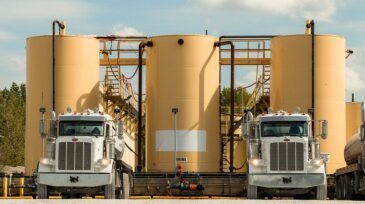
 Oil and gas wells produce nearly a trillion gallons of toxic waste a year. An investigation shows how it could be making workers sick and contaminating communities across America.
-
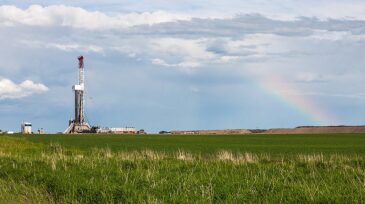
The US Chemical Safety Board will investigate the blowout that killed three workers at a Chesapeake Energy well in central Texas.
-
The group’s mission is to end human trafficking by preventing exploitation, educating the community, and empowering survivors.
-
Artificial intelligence and emerging technologies such as virtual personal assistants and chatbots are rapidly making headway into the workplace. Research and advisory company Gartner predicts that, by 2024, these technologies will replace almost 69% of the manager’s workload.
-
Recently, the hype around artificial intelligence and machine learning caused several people to ask me how much of a project is actual machine learning. Based on man-hours spent on the project, I estimate that only about 5% of the effort is spent directly on data-science-related activities.
-
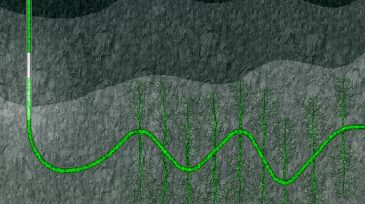
SponsoredLiquid loading is declining the production rates and limiting the ultimate recovery of shale gas wells. This article explains how subsurface compression can remove liquids from the horizontal and vertical wellbores and increase one operator’s production by 67%.
-
The application continuously uses machine-learning algorithms to aggregate historical and real-time data across production operations. Additionally, the application uses a hybrid approach that draws on physics-based and data-driven AI models to generate predictions and prescribed actions.
-
Alta Mesa Resources is not the biggest shale startup to go bankrupt, but was its early death rooted in petroleum engineering or financial engineering?
-
The report on unmanned aerial vehicles in industry presents overarching themes and concerns, including navigating regulations, finding the right technology, and finding ways to educate the public about drone operations.
-
Produced water is an inevitable byproduct of oil and gas production. The use of online oil-in-water monitors plays an important role in the management of produced water.