Testing page for app
-
 Intellilift and Transocean are working together on a software solution to expedite the well construction process.
 -
The national oil company plans to tap into what is claimed to be the world's largest single-site solar power plant and the region's first nuclear power plant to decarbonize its operations.
-
The company said it expects to increase its annual carbon captured by approximately 1 million metric tons at its LaBarge facility with a $400 million investment.
-
SponsoredShell needed an easy-to-use, simple well monitoring solution. Could an IoT wireless solution measure up to a classic wired approach?
-
Four top oil executives will appear before the House Oversight Committee this week in a landmark moment for environmental activists who have spent years calling for investigations of the industry.
-
In direct response to investor demand, more companies are incorporating environmental, social, and governance (ESG) metrics in their performance compensation for their executives, according to a report by Haynes and Boone. Investors want to see that executives are incentivized to implement ESG strategies.
-
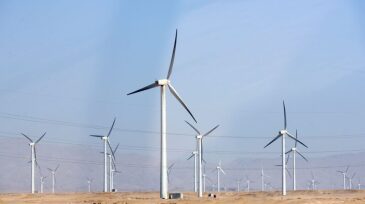
Egypt and Greece have clinched a deal to build the EU-backed EuroAfrica Interconnector subsea cable via Cyprus to bring renewable energy from North Africa to Europe and move Cairo closer to its goals of becoming an energy transmission hub for the East Med.
-
The pressure pumping business has been looking up this year, but the price paid to buy a big player in that business, FTS International, suggests growth may not last.
-
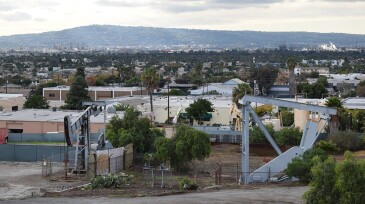
Researchers found increased concentrations of air pollutants downwind from oil and gas wells in California, likely affecting millions of Californians who live near them.
-
Electrical networks of oil and gas facilities are extensively equipped with oil-filled transformers. The oil in the transformers, however, can be a major hazard to people, assets, and the environment in the case of major oil leaks or explosions. This paper will discuss common failures of oil-filled transformers and any protective measures and solutions that can avoid …