Testing page for app
-
 This paper details new technologies and work flows implemented for Australian offshore wells to improve drilling efficiency while managing associated risks.
 -
A few technology trends are becoming apparent. There is a move to gravel pack longer and longer horizontal sections. It is now possible to pack more than 7,000 ft with zonal isolation. Through-tubing sand-control remediation continues to evolve. Sand consolidation is moving toward nanoparticles, with a promise of better regained permeability. Further strides have been…
-
Keeping your finger on the pulse of change requires diligence. Moving forward requires leaders, but without our commitment, the progress lags or stalls out.
-
The authors describe an integrated geological-engineering data-management project covering all aspects of well-engineering work flows.
-
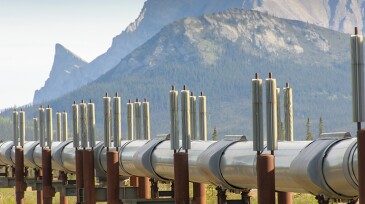
As Canada, Greenland, and even Norway shy away from developing their Arctic oil and gas resources, only Russia and the US remain in the game as Alaska seeks to renew interest in exploration and development of its North Slope.
-
This section recognizes SPE members accomplishments and positions within the oil and gas industry.
-
The paper demonstrates the application of an interpretable machine-learning work flow using surface drilling data to identify fracable, brittle, and productive rock intervals along horizontal laterals in the Marcellus shale.
-
At peak, combined fields should produce more than 12,600 B/D of oil.
-
Tract is turned back by BP after operator fails to meet drilling obligation.
-
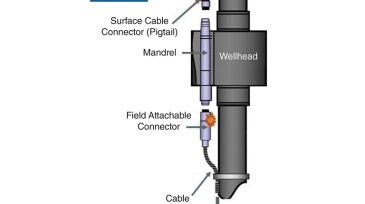
This paper describes the findings of a root-cause analysis of wellhead-penetrator failures in Canadian steam-assisted gravity-drainage operations and the mitigation measures taken.