Testing page for app
-
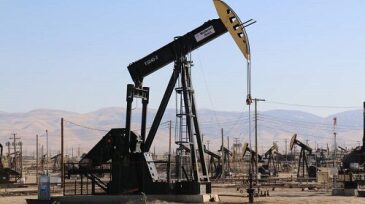
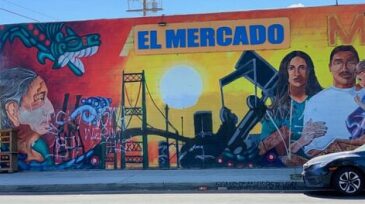
 The mostly low-income, Latino residents of Arvin have joined with other communities to demand setbacks for wells.
 -
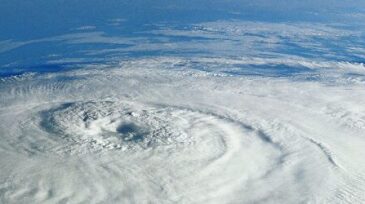
Major oil and gas trade groups expressed confidence in their readiness for a busier-than-usual hurricane season in 2020, even with added logistical considerations stemming from the coronavirus pandemic.
-
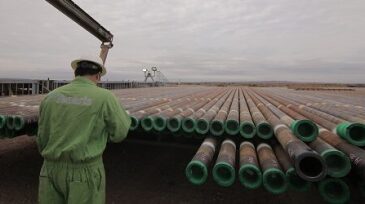
Shell’s health, safety, and environment team in Argentina, with support from Tenaris, created a new safety protocol during the down period that allowed the company to be the first operator to resume operations in May.
-
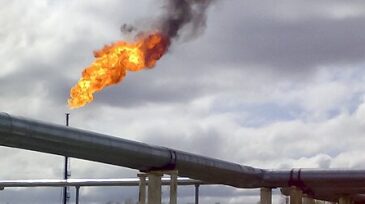
OGCI Launches $1 Million Partnership With Payne Institute To Develop Web Platform To Map Gas FlaringThe Oil and Gas Climate Initiative has announced a technical and financial sponsorship commitment of nearly $1 million to the Payne Institute for Public Policy at Colorado School of Mines to develop a transparent web platform to support real-time mapping and tracking of global gas flaring data.
-
Experts say that more than a decade of research has made it clear that current setback distances, in states where they exist, are inadequate to protect public health. Now, political pressure to push oil and gas wells about half a mile from homes and other buildings is peaking across the country.
-
In this 30-minute interview, Angela Dang Atkinson, a data scientist with Cognite, talks about what skills beyond technology new petroleum engineers need and what challenges they will face in the digital oil field.
-
He started in the oil and gas business running logs in the 1990s and by the end of the decade became a petroleum engineer at Equinor. Now, he is set to take over the company’s top position.
-
Zap Energy will use Chevron’s investment to develop its technology, a next-generation modular nuclear reactor with an aim toward cost-effective, flexible, and commercially scalable fusion.
-
Weatherford will embed INT’s IVAAP framework into the Weatherford Centro digital well delivery software, advancing its data-visualization capabilities.
-
Researchers at OU have received $2.5 million of US Department of Energy funding for a three-phase study to develop technologies to increase power production from geothermal wells. The geothermal development research site in Southern California sits on the US Navy’s largest single landholding.