Testing page for app
-
 When oil demand vaporized, oil sands producers cut 300,000 B/D of production from wells using steam injection to produce bitumen. It is a huge test of something they have long been reluctant to do—turn down in-situ production when prices plunge.
 -
Exploration is widely perceived as discretionary, even unwarranted. A report from Wood Mackenzie, however, presented a different scene. Only about half the supply needed to reach 2040 is guaranteed from fields already on stream, it said. The rest requires new capital investment and is up for grabs.
-
The partnership will deliver autonomous robots for safe work in adverse land, sea, and downhole environments.
-
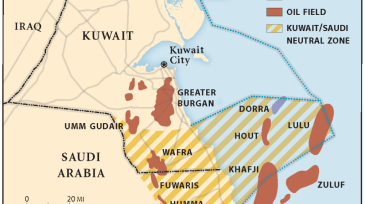
The joint oil field had been offline since 2015, due to an operational dispute.
-
The two companies have teamed up to provide COVID-19 testing for oil and gas companies that want to test their employees at headquarters and remote rig locations across the country.
-
A report from the Norwegian Petroleum Directorate details how production powered from shore would cut down on carbon dioxide emissions. All of the planned projects from the onshore power grid are expected by the mid-2020s.
-
This paper will discuss the importance of proactive operator monitoring (POM) as a safety barrier, explore some of the mechanisms by which monitoring can be defeated or degraded, and consider the kind of safeguards that might need to be put in place to prevent such degradation.
-
SPE awards recognize members who have contributed exceptional service and leadership to the society and the community, as well as those who made major professional contributions to their technical disciplines.
-
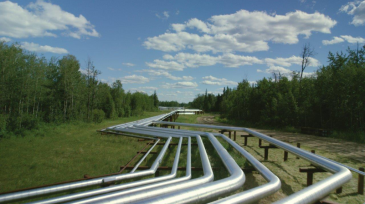
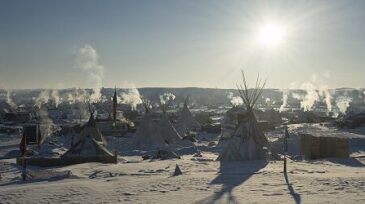
The court said it was mindful of the disruption the shutdown will cause but said the seriousness of deficiencies from the US Army Corps of Engineers outweighs the negative effects of shutting down the pipeline.
-
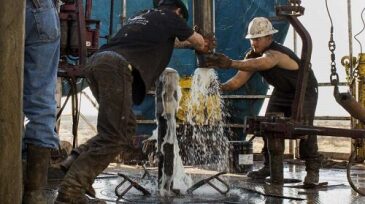
Oil drilling produces up to 10 gallons of water for every barrel of oil. While the Environmental Protection Agency has balked at allowing oil companies to treat drilling waste water and discharge it into streams, oil-rich states, including Texas, are moving forward with plans to permit it.