Testing page for app
-
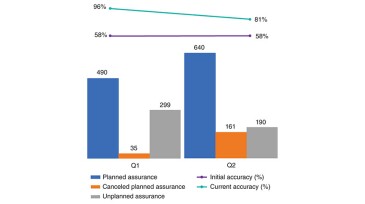
 This paper describes a risk-based self-verification process conducted through a bespoke software application.
 -
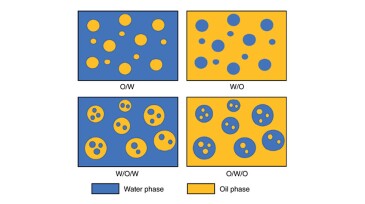
This study presents the development of a novel modeling tool designed to predict condensate emulsions, focusing on key factors causing emulsions such as pH, solid content, asphaltene concentration, droplet size, and organic acids.
-
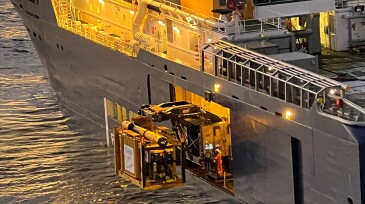
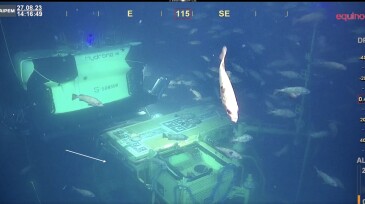
With the right infrastructure and interoperability, subsea resident robotics could unlock more frequent, cost-effective inspections—and a new standard for offshore efficiency.
-
This paper discusses and demonstrates the limitations of quantitative risk assessment (QRA) with respect to the usefulness of the concept in managing day-to-day and emerging risks as well as the effect of change.
-
Emerging solutions could solve current subsea pain points, while a new taxonomy system could clarify the capabilities of the expanding domain of underwater vehicles.
-
This study explores enhancing gas production through a novel combination of prestimulation using a coiled tubing unit and high-rate matrix acidizing.
-
Gas production faces several technical challenges, from extracting shale gas in complex geological settings such as tight formations and deepwater environments to processing sour gas with high hydrogen sulfide content. Although various technologies exist to mitigate these challenges, the dynamic nature of subsurface conditions and operational environments continues to…
-
A compelling triptych of recent research showcases the burgeoning capacity of machine learning to unlock substantial efficiencies and enhance decision-making across the exploration and production lifecycle.
-
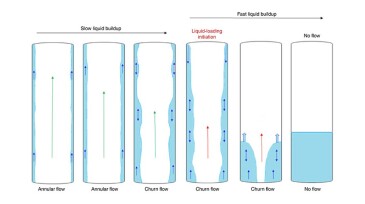
This work introduces a fast, methodical approach to detect liquid loading using easily available field data while avoiding traditional assumptions and to determine critical gas rates directly from field data.
-
This paper describes a tool that complements predictive analytics by evaluating top health, safety, and environment risks and recommends risk-management-based assurance intervention.