Testing page for app
-
Oil Plus Ltd has been awarded contracts in excess of $5 million as it enters 2020.
-
 The 2020 SPE International Conference and Exhibition on Health, Safety, Environment, and Sustainability will be held in conjunction with the SPE Latin American and Caribbean Petroleum Engineering Conference. Early registration is open until 19 February.
 -
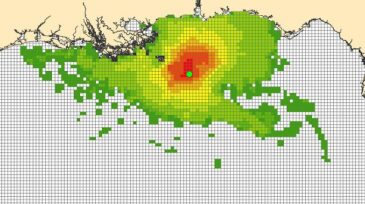
The new standardized ERA Acute method provides quantitative assessment of environmental impact and risk of acute oil spills covering four environmental compartments: sea surface, shoreline, water column, and seafloor.
-
Between 2000 and 2017, the suicide rate in the US increased by 40%, with blue-collar workers in industries such as mining, oil and gas extraction, construction, agriculture, transportation, and warehousing most at risk, according to a new study from the Centers for Disease Control and Prevention.
-
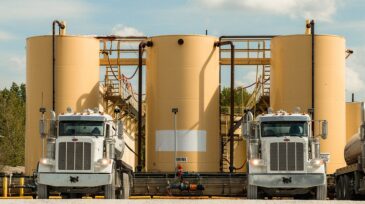
Oil and gas wells produce nearly a trillion gallons of toxic waste a year. An investigation shows how it could be making workers sick and contaminating communities across America.
-
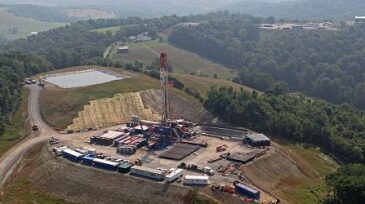
The US Chemical Safety Board will investigate the blowout that killed three workers at a Chesapeake Energy well in central Texas.
-
The group’s mission is to end human trafficking by preventing exploitation, educating the community, and empowering survivors.
-
Artificial intelligence and emerging technologies such as virtual personal assistants and chatbots are rapidly making headway into the workplace. Research and advisory company Gartner predicts that, by 2024, these technologies will replace almost 69% of the manager’s workload.
-
Recently, the hype around artificial intelligence and machine learning caused several people to ask me how much of a project is actual machine learning. Based on man-hours spent on the project, I estimate that only about 5% of the effort is spent directly on data-science-related activities.
-
SponsoredLiquid loading is declining the production rates and limiting the ultimate recovery of shale gas wells. This article explains how subsurface compression can remove liquids from the horizontal and vertical wellbores and increase one operator’s production by 67%.