Testing page for app
-
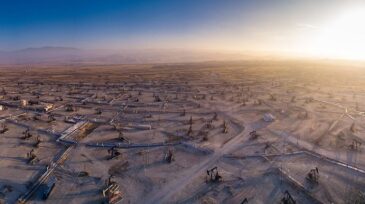
 Methane emissions from California garbage dumps far surpass emissions from oil fields, according to a NASA survey.
 -
The National University of Singapore’s Faculty of Engineering, Keppel Data Centres Holdings, and Singapore LNG have joined forces to develop a novel, energy-efficient, and cost-effective cooling technology using liquefied natural gas for data centers.
-
Backed with the intention of promoting new investments in the oil and gas upstream industry, Indonesia's minister of energy and mineral resources recently enacted a new regulation to replace the 13-year-old regulation on upstream oil and gas data management and use.
-
Just three firms submitted bids in an auction many are deeming as a disappointment for Brazil.
-
The 2019 World Oil Outlook projects tight-oil supplies to rise to at least 75% of total US production before retreating.
-
Delfin Midstream announced advancements in partnership with Samsung Heavy Industries and Black & Veatch. By re-purposing existing offshore pipelines and building the FLNG vessels at Asian shipyards, the total capital costs are projected to be around $500–550/tpa.
-
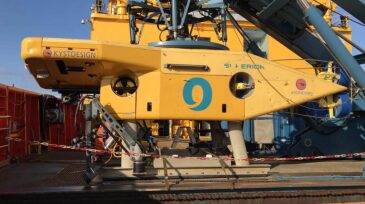
Sensors, robots, and artificial intelligence have made their way into a number of areas within the industry, including pipeline inspections. Shell has begun to examine the innovative technologies that could shift the inspection paradigm.
-
Lower oil prices, increased operator focus on capital discipline, and diminishing access to capital are choking off once-soaring US oil production growth.
-
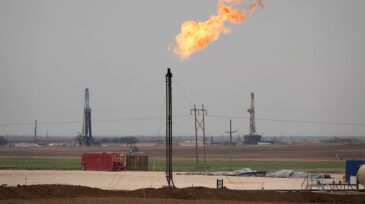
The volume of flared gas in the US unconventional sector is now 12% of the country’s total gas production. A pair of new reports say that Permian Basin operators account for much of the growth.
-
Chevron has seen great results from its implementation of learning teams, says Dave Payne, the company’s vice president of health, environment, and safety.