Testing page for app
-
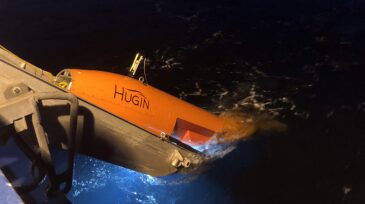
 The subsea operations company said its most recent campaign is the first fully unmanned offshore pipeline inspection completed “over the horizon,” surveying up to 100 km from the shore.
 -
The firms are now partners on multiple blocks in the North Argentina Basin.
-
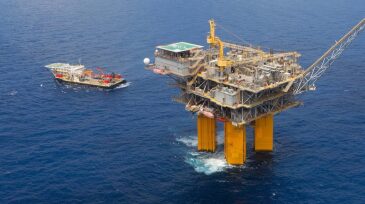
Australia’s BHP Billiton and the recently acquired Anadarko Petroleum submitted the largest dollar totals of high bids in US Gulf of Mexico Lease Sale 253.
-
At times, it may seem that machine learning can be performed without a sound statistical background, but this does not take in to account many difficult nuances. Code written to make machine learning easier does not negate the need for an in-depth understanding of the problem.
-
The upstream sector is witnessing comparatively more implementation of the industrial Internet of things compared with other sectors of the oil and gas industry. This is driven by the need to reduce risk and maximize returns through digitalization, according to data and analytics company GlobalData.
-
After protesters disrupted construction of an oil pipeline in North Dakota by chaining themselves to construction equipment and pitching tents along the route, oil and chemical companies found a way to keep it from happening again. They made it a crime.
-
The Russian company has built a computing cluster in St. Petersburg designed to generate digital twins of oil fields. The new distributed-computing system is capable of processing more than 100 gigabits per second, speeding up the digital-modeling process five-fold.
-
Equinor is using its digital transformation to be more sustainable. “It’s not just about running a smarter business," said Bjorn Otto Sverdrup, Equinor's senior vice president of sustainability. "It’s also about running a more sustainable business.”
-
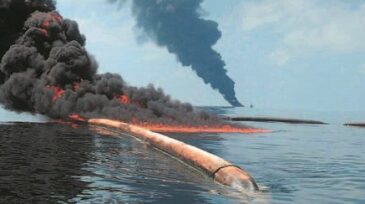
The updated document offers an introductory overview of the broad topics of oil spill preparedness and response and provides signposting and hyperlinks to a full range of materials from IPIECA and the International Association of Oil and Gas Producers.
-
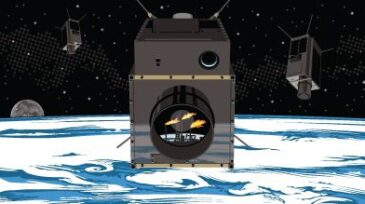
The 33-month project will compare emissions data collected by terrestrial sensors to GHGSat's combined satellite and aircraft measurements.