Testing page for app
-
 JPT editors frequently get questions about how to get articles and information published in the print magazine or online. Both SPE members and nonmembers have several avenues to choose from that could lead to publication.
 -
The paper provides a fast-track approach to perform screening assessment of multiple subsea concepts.
-
With hard work, the progress outlined in these three papers may help create a better balance between cost, production, and ecological stability in offshore operations. The papers illustrate the interdependence of both technological and environmental systems.
-
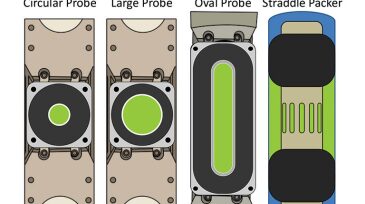
This paper bridges the gap between operational petrophysicists and FTS specialists, introducing an automated work flow by which petrophysicists can conduct FTS jobs.
-
This paper presents a scientific method for reducing fatigue risks in oil and gas organizations that operate a slowly rotating shift schedule.
-
Getting to Zero and Beyond: The Path Forward, sets the stage for continuing the discussion across the industry of the essential steps the industry must take to sustain zero harm.
-
Earlier this year, SPE published the technical report “Getting to Zero and Beyond: The Path Forward,” representing the work of hundreds of oil and gas professionals and their thoughts on how we can achieve an injury- and incident-free workplace. The first paper summarizes the report’s findings.
-
Technologies are being developed that have the potential to support marine mining in all stages from prospection to decommissioning. These developments will likely have substantial influence in the oil and gas industry, itself searching for ways to maximize exploitation of assets.
-
As the hunger for data grows, long stepouts become more common, and fiber communication becomes standard, the use of fiber in subsea oil and gas fields is set to increase.
-
Relationships and engagement with communities in direct areas of influence is of paramount importance for successful exploration and production (E&P) operations.