Testing page for app
-
 The workflow aims to reduce the startup time of a subsea production system (SPS). A dynamic integrated model is used to adjust the scheduled SPS startup time. The model evaluates the dynamic simulation response of a large field startup by integrating a reservoir- and gathering-network model.
 -
A computational fluid dynamics model is proposed to analyze the effect of hydrate flow in pipelines using multiphase-flow-modeling techniques. The results will identify the cause of pipeline failure, regions of maximum stress in the pipeline, and plastic deformation of the pipeline.
-
Shale gas is one of least sustainable options for producing electricity, according to new research from The University of Manchester, which considered environmental, economic, and social sustainability factors.
-
The Technology Roadmap identifies R&D opportunities that will allow the US to be the leading producer of oil and gas into the future. The importance of technology transfer and time to commercialization is discussed.
-
The company’s 31 licenses highlight a record-high total awarded during the latest APA round, which is aimed at developing mature areas of the NCS.
-
Companies are more active than ever in pursuing sustainability to align with values and engage stakeholders, a new survey shows. To see financial returns, though, integrating sustainability into core functions is key.
-
The Research Partnership to Secure Energy for America (RPSEA) has released its Technology Roadmap, a plan that outlines the challenges and research needs of the US onshore and offshore oil and gas industry for the coming decade.
-
SPE’s Aberdeen section has chosen the finalists for this year’s Offshore Achievement Awards, which will take place 22 March at the Aberdeen Exhibition and Conference Centre.
-
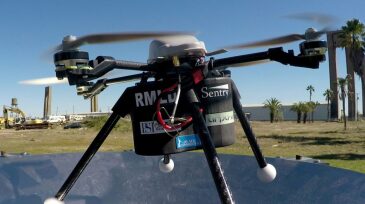
A US-government-sponsored program is putting new methane leak detection systems to the test with a goal of achieving functionality costs of $3,000/year/wellsite while hitting stringent performance criteria.
-
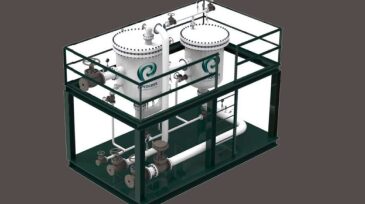
An operator in the western Gulf of Thailand retrofit two partial-processing water-management systems on mobile-offshore-production-unit platforms for bulk removal and treatment of produced water. Water debottlenecking increased oil production by 80% and reduced the infield transfer volume by 62%. Th