Testing page for app
-
 To reduce the risk of wells getting “frac hits,” Permian Basin operators around Midland created an information exchange to give them notice of nearby fracturing.
-
Many of the biggest players in the industry—particularly the majors—have adapted their portfolios for “lower for longer” and are once again sanctioning big projects. While we are not back to the heady days of 2010–2014, we have left behind the dark days of 2015–2016.
-
Using decision analysis as a software tool helps to clarify and evaluate decommissioning alternatives against a comprehensive set of objectives, including both market and nonmarket values.
-
Whether you are involved in the design and construction of new facilities or the decommissioning of existing facilities, having a solid understanding of decom makes a lot of sense. Are you ready as all around the world offshore facilities have reached, or are reaching, the end of their design life?
-
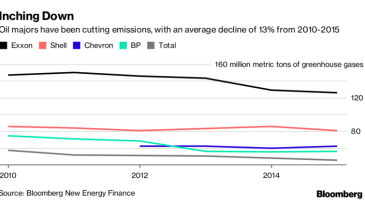
It’s no secret that oil majors are among the biggest corporate emitters of pollution. What may be surprising is that they’re reducing their greenhouse-gas footprints every year, actively participating in a trend that’s swept up most corporate behemoths.
-
Tiny soil samples may contain as many as 300,000 species of microbial life, but a Netherlands-based startup has figured out that between 50 and 200 of them can tell an operator if a drilling location will hold oil and gas reserves.
-
Getting rid of wastewater from onshore wells has become an increasingly costly problem for oil producers as US crude output surged in recent years, especially in the new shale fields from Texas to North Dakota.
-
InterMoor, an Acteon company responsible for mooring, foundations, and subsea services, has completed its 10th straight year of operation without any lost-time incidents.
-
Supervisory control and data acquisition systems no longer simply monitor operations and produce large volumes of data in static displays, but now collect production data from all operation data sources and contextualize and present them to workers in real time as meaningful, actionable information.
-
As E&P companies develop their talent management strategies and lay out the new talent pipeline, they need to be cognizant of the major changes in the industry landscape.