Testing page for app
-
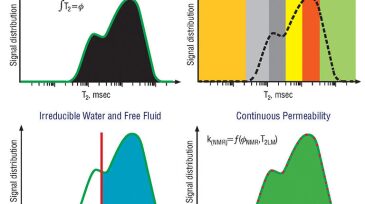
 Reservoirs consisting of heterogeneous carbonates and shaly sands pose formation evaluation challenges for conventional logging-while-drilling (LWD) measurements. Magnetic resonance techniques hold promise for improving understanding of these reservoirs.
-
The IEA's new energy outlook paints a generally optimistic view of the supply/demand balance and oil price picture to 2020.
-
-
Vimlesh Bavadiya is leading a team of engineering students at the University of Oklahoma (OU) to repeat its victory in SPE’s Drillbotics competition next year.
-
Despite a number of recent and high-profile jetliner crashes, commercial aviation has entered into a new era of safety. There is a lot the oil and gas industry can learn from their success.
-
More than 50 years after inventing the air gun, Stephen Chelminski is working on a new version of the industry standard designed to be more in tune with the current needs of the industry and its regulators.
-
Rising demand for flowback technologies to reduce uncertainties is leading to the creation of more hydrocarbon and water tracers. These chemical-based tracers may play an important role in the shale industry’s effort to come up with more cost-effective fracture designs.
-
An area of great interest to those researching flowback is the interaction of water and salt inside the shale reservoir. After a well is stimulated, the flowback fluids tend to show a rising concentration of salt that falls back to near zero over time.
-
On the far end of the flowback spectrum is a completion process called soakback. If the well has to be shut in until takeaway capacity is available, the completion fluids soak into the shale rock. Flowback analysis can help understand what happens in the formation.
-
Most shale producers in North America have given little thought to the flowback stage following hydraulic fracturing. Others have come to realize it represents a valuable opportunity to learn more about their wells.