Testing page for app
-
 The papers highlighted in this month’s feature apply forward stratigraphic modeling to improve geological models, classical reservoir engineering techniques to understand interwell connectivity in order to optimize waterflooding operations, and exciting new fiber-optic technology to characterize the performance of individual hydraulic fractures in unconventionals.
 -
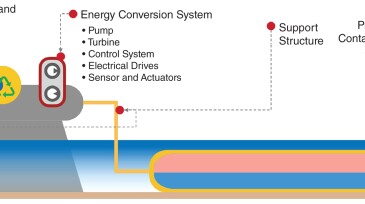
The authors of this paper describe a system that enables the storage of renewable power while allowing for the optimization of time and expenditure for decommissioning of existing infrastructure.
-
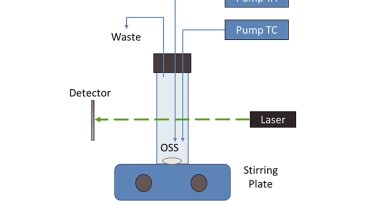
The authors of this paper develop an assay method to determine effective scale-inhibitor concentration.
-
The authors of this paper use a pattern-review technique in a complex brownfield as a tool to understand reservoir connectivity and dynamic fluid movements across the field.
-
The new well results boost Baleine field volumes in place by 25%.
-
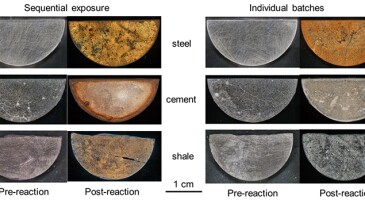
The authors of this paper demonstrate that future produced-water management and scale-mineral control may need to consider the sequential exposure effect of steel, cement, and shale on fluid chemistry and mineral precipitation.
-
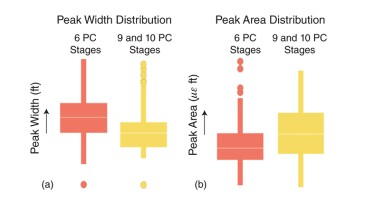
The authors of this paper describe a fiber-optic diagnostic method based on Rayleigh frequency shift that provides new insights about the characteristics of the near-wellbore region during production.
-
The operator expects most of the field’s estimated 90 million BOE to be oil.
-
This paper highlights a tailored chemical treatment strategy developed for solids mitigation for a Delaware Basin operator.
-
The project comprises a pair of subsea wells tied back to the host spar.