Testing page for app
-
 Unconventional producers around the world have been hamstrung by expensive and cumbersome options when it comes to obtaining reservoir data. Among the latest ways to break past these barriers is a new method developed by Canadian researchers and field tested in Australia’s unconventional frontier.
 -
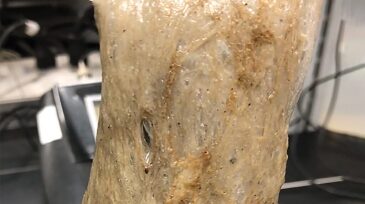
The source of gummy, damaging polymer gunk that has flowed from Oklahoma oil wells is becoming clear, and one of the lessons learned is that shale plays require petroleum engineers to learn more about chemistry.
-
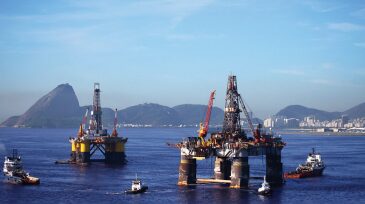
Brazil’s national oil company details the results of 6 years of real-time drilling monitoring. The next step is to move toward optimization, then automation.
-
Advanced machine-learning methods combined with aspects of game theory are helping operators understand the drivers of water production and improve forecasting and economics in unconventional basins.
-
Petrobras has cut in half the time and cost of drilling some wells using its patented True One Trip Ultra Slender (TOTUS) concept. The technique can be used in certain mature fields of the postsalt where geological and reservoir characteristics favor its application.
-
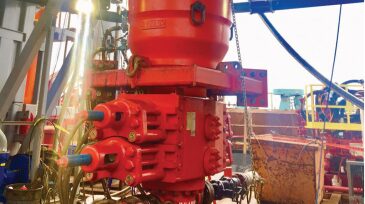
Discussed are real-world examples of the less often considered but valuable environmental benefits delivered via MPD.
-
The SPE International Awards honor members whose outstanding contributions to SPE and the petroleum industry merit special distinction. Recipients of the 2020 International Awards will be recognized during the Annual Technical Conference and Exhibition.
-
The SPE International Awards honor members whose outstanding contributions to SPE and the petroleum industry merit special distinction. Recipients of the 2020 International Awards will be recognized during the Annual Technical Conference and Exhibition.
-
For the past 6 months, you have read, watched, and heard about adaptation in personal lives and businesses and many of you have experienced it firsthand to some degree—ranging from minor to life-changing events.
-
In the first half of 2020, Canada’s production declined 20% from its 2019 average of 5.5 million B/D as a result of low crude oil prices, reduced demand, and continued production curtailments imposed by the government of Alberta.