

Latest News
-
 The biennial SPE Offshore Europe conference will explore a diverse set of topics, including the application of digital technologies and preparing for a low-carbon energy future and ongoing work around standardization and decommissioning.
 -
In this paper, the authors present an open-source tool kit for the generation of microfabricated transparent models of porous media (micromodels) from image data sets using optically transparent 3D polymer additive manufacturing (3D printing or sintering).
-
In recent times, we have been inundated with articles concerning the oil and gas industry’s race toward digitalization and automation. The pillars of such a transformation are the rapidly evolving industrial Internet of things, secure cloud computing, data analytics, AI, and machine learning.
-
The SPE Strategic Plan 2018–2023 calls for claiming pride in our industry’s higher purpose, that of supplying energy to meet the needs of humanity.
-
This paper is part of an ongoing effort to minimize the likelihood of failure using data-mining and machine-learning algorithms.
-
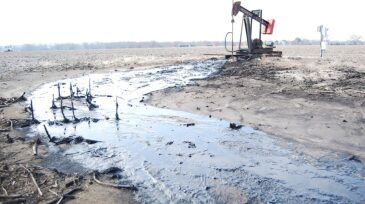
The number of deserted oil and gas wells in Kansas blossomed during the past 5 years to 22,000. A Kansas Corporation Commission annual report revealed a fund created in 1996 to finance plugging of wells to be inadequate if the objective was to keep pace with demand for plugging.
-
Energy consultancy Wood Mackenzie estimates the find holds some 2 Tcf of gas, making it this year’s seventh-largest discovery worldwide.
-
Baker Hughes is still a GE company, but it has partnered with a second company for artificial intelligence expertise, C3.ai. The deal is expected to speed the integration of AI into oilfield operations by the company which also markets GE’s device analytics platform, Predix.
-
Quantum computers exploit the peculiar behavior of objects at the atomic scale and use the qubit as the basic unit of quantum computing. A quantum computer with only 100 qubits would, theoretically, be more powerful than all the supercomputers on the planet combined.
-
Norwegian authorities approved development plans for Duva and Gjøa P1, both of which are expected to produce first oil in late 2020. The fields will each tie back to the Gjøa platform on the Norwegian Continental Shelf.
-
The deal consists of stakes in nine shallow-water producing fields covering 108,000 gross acres in 10–50 m of water.
-
Operator Talos Energy now believes Zama’s gross recoverable resource lies in the upper half of its pre-appraisal estimate of 400–800 million BOE. The consortium is working toward a 2020 final investment decision on the project.







Explore Content by Discipline
Trending Content



Get JPT articles in your LinkedIn feed and stay current with oil and gas news and technology.