

Latest News
-
 US crude oil production is expanding at an unprecedented rate, but much faster growth will be needed in the next few years to meet the world’s demand if global investment in conventional supply doesn’t pick up, an IEA report indicates.
 -
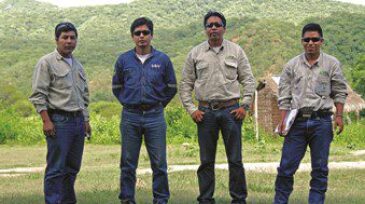
On the basis of experience gathered from the Incahuasi field-development project in Bolivia, this article analyzes the challenges and benefits of implementing a socio-environmental monitoring program with local indigenous communities in a context of high social sensitivity.
-
Halliburton promoted Lance Loeffler to CFO. Loeffler had previously been vice president of investor relations for the service company. He will now lead its financial functions, including financial planning and analysis, accounting and financial reporting, tax, internal assurance, treasury, corporate development, and investor relations. Loeffler joined Halliburton in 2…
-
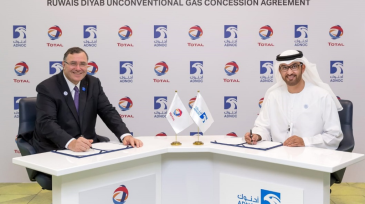
The French major will become operator of the Ruwais Diyab concession, and ADNOC says additional companies are lining up to partner on the emirate’s other unconventional areas.
-
The Abu Dhabi government approved a $132.3-billion capital expenditure increase that will fund, among other things, a plan that could enable the country to sustain LNG production through 2040.
-
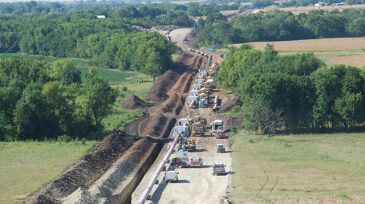
A decision by the US District Court in Montana deals a blow to the TransCanada project, which is designed to transport heavy crude from Alberta to Nebraska.
-
API released an updated valve standard for wellhead and tree equipment, which includes new automatic closure requirements.
-
The deal gives Equinor exploration parcels in the prolific Jeanne d’Arc Basin, near its existing discoveries offshore Newfoundland and Labrador.
-
Research suggests that the formation of the deep plume was unrelated to the addition of subsea dispersants.
-
Scientists have found that man-made structures in the North Sea could play a crucial role in holding coral populations together and increasing their resilience.
-
Had Proposition 112 passed, Colorado would have approved the country's largest mandatory buffer between new wells and homes, schools, waterways, and other areas deemed vulnerable: 2,500 ft, five times the existing standard of 500 ft.
-
Wearable devices can notify workers of hazards, provide useful safety data to employers, and improve safety on the worksite.




Explore Content by Discipline
Trending Content


Get JPT articles in your LinkedIn feed and stay current with oil and gas news and technology.