

Latest News
-
 A task force from The Academy of Medicine, Engineering, and Science of Texas has released a comprehensive analysis of the effects the North American shale boom has had on the environment and communities in Texas.
 -
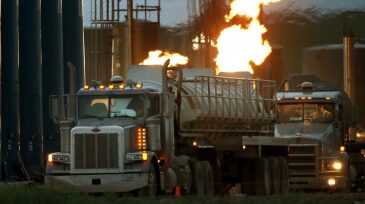
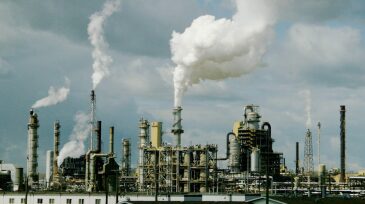
In recent years there has been a spike of research to determine what the extent of emissions are from fracked oil and gas wells. While much discussion has surrounded methane emissions, a greenhouse gas, less attention has been paid to air toxics.
-
Babies in Nigeria are at double the risk of dying before they reach a month old if mothers lived near the scene of an oil spill before conceiving, study shows.
-
One of the world’s biggest oil companies is working on hundreds of low-carbon energy projects, from algae engineered to bloom into biofuels and cells that turn emissions into electricity.
-
Column: Oil consumption is expected to remain relatively high, even after assuming that worldwide climate change goals have been achieved.
-
President Donald Trump's administration is considering revising parts of offshore drilling safety regulations intended to prevent the type of blowout that led to the 2010 Deepwater Horizon oil spill.
-
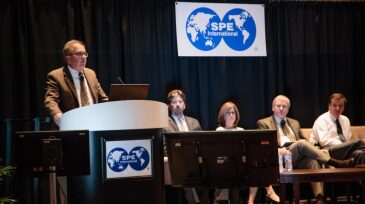
A subcommittee of the SPE Carbon Dioxide Capture, Utilization, and Storage Technical Section has published the Carbon Dioxide Storage Resources Management System document, which establishes technically based capacity and resources evaluation standards.
-
The Pipeline and Hazardous Materials Safety Administration has announced an additional comment period on its 19 December 2016 interim final rule that established minimum federal safety standards for underground natural gas storage facilities.
-
Since the Macondo disaster, industry publications have discussed the equipment, connections, and interfaces needed for capping and containing a blowing subsea well, but they give little insight into developing a well-specific subsea capping contingency plan.
-
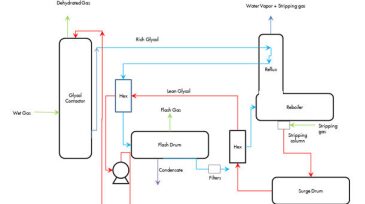
The paper discusses dehydration performance of two units in two plants—with preinhibited glycol/antifoam/pH adjuster blend vs. neat glycol with periodic injection of antifoam and pH-adjuster inhibitors. The insights present an opportunity for significant operating and capital costs reduction.
-
The Oil & Gas Industry Guidance on Voluntary Sustainability Reporting acts as a framework for improving the quality and consistency of voluntary sustainability reporting. This paper discusses the most recent update to the guide, and offers an overview of the discussed social performance indicators.
-
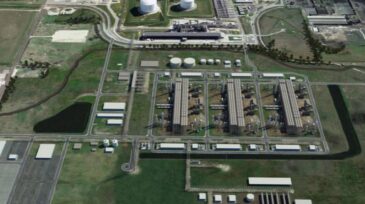
A proactive approach with EPC contract bidders to front-end load HSE strategies will pay dividends. This paper discusses the HSE management strategy for the Lake Charles Liquefied Natural Gas project.




Explore Content by Discipline
Trending Content





Get JPT articles in your LinkedIn feed and stay current with oil and gas news and technology.