

Monthly Features
-
 Drilling experts recently shared candid views on what will be required for their segment of the upstream business to move to the next stage of development.
 -
 EQT is benchmarking its way to basin-leading productivity and relying on partnerships and new technology to turn KPIs into operational reality.
 -
 This case study from Italian technology developer Sentris highlights the effectiveness of using sensors during pigging operations to optimize cleaning efficiency.
 -
 Experts and industry leaders gathered in The Woodlands, Texas, recently to sift through the challenges of carbon capture, utilization, and storage. The puzzle is coming together, but some critical pieces are still needed before the results look like the picture on the box.
 -
 Two examples from ONGC show how supervised AI-driven automation scaled well modeling across hundreds of offshore wells, saving more than 1,000 engineering hours.
 -
 Examples demonstrate how an Integrated Operations Center as a Service (IOCaaS) model, powered by artificial intelligence, reduced costs by 5% and increased production by 6% in Canada.
-
 In North America’s most active shale fields, the drilling and hydraulic fracturing of new wells is directly placing older adjacent wells at risk of suffering a premature decline in oil and gas production.
 -
A closer look at technological and mechanical solutions being developed to limit exposure to respirable silica dust during hydraulic fracturing operations in the wake of US government regulations.
-
Things are so tough in the Canadian oil sands that competitors are considering whether to start sharing some of what they know about producing more and doing it for less. Collaboration should speed progress for everyone, but companies with something to give are looking for something in return.
-
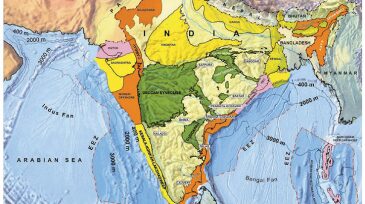
India will test whether it can reach its ambitious goal of reducing oil and gas imports by 10% by 2022 with an upcoming auction of oil properties.
-
Early testing suggests that grains of proppant so small they need to be measured in microns can add production by slowing the notoriously rapid declines in unconventional wells.
-
A new play in the Permian Basin is unconventional in an unexpected way: there is a small group of independents producing from a watery formation where oil production begins after they have pumped only water for weeks.
-
Mexico’s long awaited deepwater auction saw 8 out of 10 blocks awarded but there remains plenty of work to be done before activity ramps up, including finalizing regulatory rules, upgrading ports, and optimizing the bid rules for future auctions.
-
As drilling activity rises, the demand for all that is needed to complete wells rises even faster. The wells are bigger, and more water and sand are used for each foot stimulated.
-
US drilling and completion companies that were slashing workforces and cannibalizing pumping trucks for parts 6 months ago are now hiring crews and repairing equipment to meet rising demand.
-
Though crude prices are rising, US shale producers face questions over whether their improving oil production results and cost efficiencies will last as increasing drilling activity drives demand for oilfield services.




Explore Content by Discipline
Power Up With JPT Newsletters
JPT Newsletter (Weekly).
All the top stories, trends, and tech.
JPT Unconventional Insights (Monthly).
Fresh takes on shale and tight oil.
Get JPT articles in your LinkedIn feed and stay current with oil and gas news and technology.