

Monthly Features
-
 Oil prices are high, but spending has not caught up—yet. Meanwhile, exploration strategies are changing around the world toward a lower-risk model, and the frenzied pace of US M&A has very much cooled off.
 -
 This case study outlines a full-scale testing program focused on the behavior of thermal casing connections subjected to severe bending and low-cycle fatigue loading.
 -
 With millions of wells having been drilled in the US since the beginning of the oil age, the land is pocked with old, unused wellbores. For most, repurposing is a pipe dream. Plugging is the best option.
 -
 Disposal wells remain the lowest-cost solution for produced water, but concerns over seismicity and long-term sustainability are accelerating interest in alternatives.
 -
 This case study from Malaysia’s Petronas outlines a comprehensive review of perforation-charge testing across various tubular and reservoir conditions to help improve production from complex downhole scenarios.
 -
 As managed pressure drilling gains traction, its principles are influencing a wider range of well-construction activities.
-
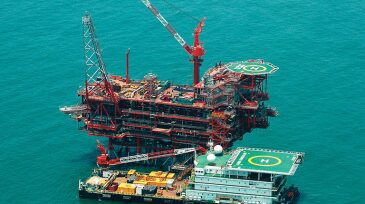
 An auction of small discoveries that were passed over by India’s national oil companies is a test of the country’s efforts to boost oil and gas development by encouraging participation from inside and outside this energy-hungry country.
 -
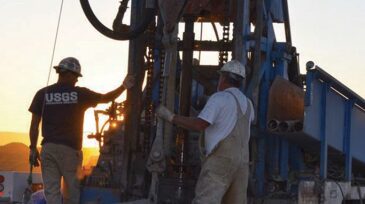
The list of the biggest gas plays in the US is being revised as the US Geological Survey creates new estimates based on additional drilling results and available rock samples. New at Number 2 is the Mancos Shale on the Western Slope of the Rockies with 66 Tcf in recoverable reserves.
-
The sharp downturn in the offshore oil business has sparked interest in using subsea pumps to add production. If those conversations turn into orders, it may convert this rarely used option into a commonly used tool for extending the life of offshore fields.
-
Service companies are using the latest generation of additive manufacturing technology to print out steel components for big ticket downhole tools. There is great potential for the technology to drive down equipment costs and improve performance.
-
The amount of natural gas flared has plunged in North Dakota, a region that has been the leader by far in gas wasted because gathering systems could not hook up the wells fast enough.
-
Offshore exploration will be slow to come back as companies have delayed billions in projects through 2020. Exploration projects also must complete for funds with brownfields developments like EOR that potentially provide a shorter time to show a return.
-
A number of companies are pushing for alternative approaches to offshore development that seek to access marginal reservoirs. Their differing and unique ideas call for a departure from the usual playbook, but share a common goal of slashing capital costs.
-
Well control is built around huge steel machines, but the future of the business is digital. Data have become a critical asset as operators and service companies work to increase the safety and reliability of their products and operations.
-
A new blowout preventer design shows potential for delivering much greater shearing power than current BOPs. The design is simpler and more efficient than current BOPs.
-
With Iran re-entering the global oil market, this article looks at the state of Iran's oil industry, the condition of its fields, its use of technology, and its present and future production potential.





Explore Content by Discipline
Stay Ahead With JPT Newsletters
JPT Newsletter (Weekly).
Essential global industry news, technology developments, and market trends delivered to your inbox.
JPT Unconventional Insights (Monthly).
Global perspectives and expert analysis on shale, tight oil, and emerging unconventional plays.
Get JPT articles in your LinkedIn feed and stay current with oil and gas news and technology.