hydraulic fracturing
-
 Artificial intelligence is opening new ways to analyze data from microseismic events that occur during hydraulic fracturing. One researcher at Moscow’s Skolkovo Institute of Science and Technology is building a convolutional neural network to get a subsurface view of permeability after fracturing.
 -
The deal fills a gap in the software developer's production line that is focused on drilling, production, and land management applications.
-
Schlumberger is getting rid of its struggling OneStim business unit 2 years after an acquisition that doubled its size. It will get 37% of the shares of Liberty Oilfield Services, which said it will be the second-largest player in that sector.
-
Unconventional producers around the world have been hamstrung by expensive and cumbersome options when it comes to obtaining reservoir data. Among the latest ways to break past these barriers is a new method developed by Canadian researchers and field tested in Australia’s unconventional frontier.
-
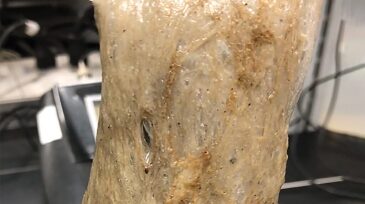
The source of gummy, damaging polymer gunk that has flowed from Oklahoma oil wells is becoming clear, and one of the lessons learned is that shale plays require petroleum engineers to learn more about chemistry.
-
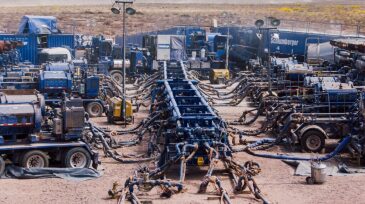
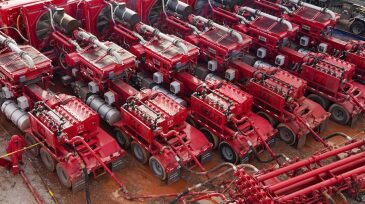
The forces of low oil prices and new efficiency trends are converging to remake the US pressure-pumping business into one that can complete more wells with less horsepower than ever. However, that might also mean service provider margins remain low for much of this new decade.
-
Developed by the large shale producer, its new way to monitor interactions between horizontal wells is now available as a commercial software. The concept is considered a stepping stone toward real-time fracture design.
-
A technical synopsis of major considerations for unconventional wells facing prolonged shut-ins. The review includes deciding factors for kill fluid selection and risks of incompatible fluid mixing.
-
A 3-year study of air quality, soils, groundwater, and waterways found few to no effects as a result of hydraulic fracturing operations in Surat Basin coal seam formations.
-
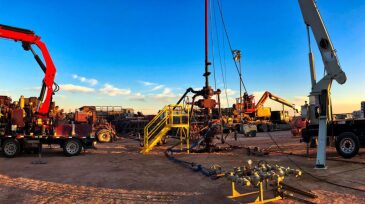
Shale producers are pulling completions crews out of the field to respond to the recent price crash, but the contraction has only begun.