hydraulic fracturing
-
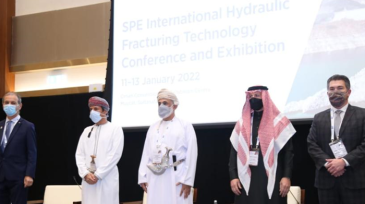
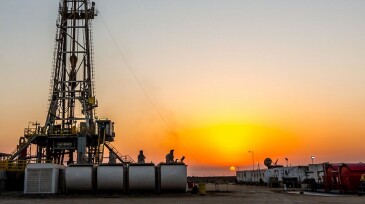
 The second edition of the SPE International Hydraulic Fracturing Technology Conference and Exhibition opened in Muscat, Oman, yesterday with more than 395 oil and gas professionals from 90 companies and 28 countries.
 -
The disruptive nature of unconventional reservoirs has spurred the need for new ideas. But that doesn’t always mean that we need to toss out the traditional methods that got us here. Such might be the case for the recent developments unfolding around the diagnostic fracture injection test (DFIT).
-
The pressure pumping business has been looking up this year, but the price paid to buy a big player in that business, FTS International, suggests growth may not last.
-
Researchers say they found that the amount and proximity of natural gas wells to a home were linked to higher levels of certain chemical contaminants.
-
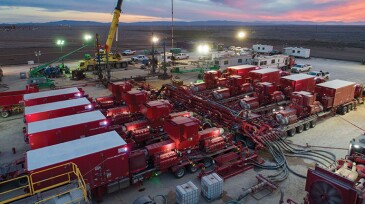
Electric-powered fracturing fleets looked impressively resilient in 2020 amid what was otherwise a significant collapse for the hydraulic fracturing sector. Today, the situation is more complicated.
-
In a perspective piece that appears in the journal Science, Elaine Hill, an economist in the University of Rochester Medical Center Department of Public Health Sciences, calls for tighter regulation and monitoring of unconventional oil and gas development as more evidence points to the negative health consequences of the practice.
-
SponsoredExtended reach wells provide access to otherwise inaccessible areas, improve production and reduce footprint. Advancements in completion technology allow producers to eliminate coiled tubing, perforation guns and milling out operations to lower project risks, costs, and environmental impact.
-
A fast-moving pressure pulse is the priority of a research and development initiative that, if successful, will result in a new diagnostic technology for horizontal wells in tight reservoirs.
-
A look behind-the-scenes reveals what it takes to protect innovative ideas in the fast-moving US shale sector—key lessons learned, pitfalls to avoid, and how to do it the right way, as told by two of the operator's intellectual property (IP) protection leaders.
-
The supermajor would be the second to conduct a hydraulic fracturing pilot project in the country.