AI/machine learning

This research focuses on combining physics-based expert rules with machine learning to improve the detection of failure-related events in electrical submersible pumps.

A combination of physics principles and machine-learning techniques is used in this work to develop a virtual flowmeter for oil-production optimization in electrical-submersible-pump-lifted oil wells, resulting in reliable generalization.

This paper presents the deployment of an artificial intelligence-enabled autonomous gas lift optimization system, integrating real-time centralized advanced process control with cloud-based analytics to enhance artificial gas lift performance in producer wells.
-
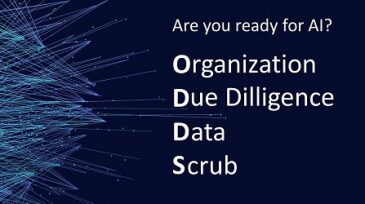
 ODDS—organization, due diligence, data, and scrub. These four important steps can make sure you are ready to implement artificial intelligence in a way that leads to a successful project.
 -
The Abu Dhabi National Oil Company announced that it has completed the first phase of its large-scale multiyear predictive maintenance project, which aims to maximize asset efficiency and integrity across its upstream and downstream operations.
-
Phase 1 covers the modeling and monitoring of assets for six ADNOC Group companies. The four phases of the project are expected to be completed by 2022.
-
SponsoredWith an intense focus on improving returns and cash flow, oil and gas producers need step-change improvement in managing production versus plan. Embracing AI is critical to overcoming today's tools that largely fall short of achieving that ultimate goal.
-
The agreement signed by Schlumberger, AIQ, and Group 42 is designed to develop and commercialize artificial intelligence for global exploration and production.
-
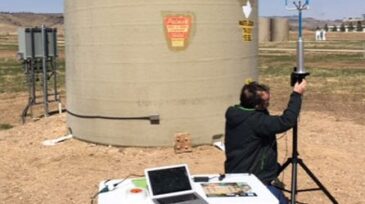
A new study confirms the success of a natural-gas leak-detection tool pioneered by Los Alamos National Laboratory scientists that uses sensors and machine learning to locate leak points at oil and gas fields, promising new automatic, affordable sampling across a vast natural gas infrastructure.
-
The oil and gas industry has picked up on the benefits of digitization and artificial intelligence in its day-to-day activities, and the health, safety, and environment sector is no exception. While AI brings clear benefits, the risks that come with those benefits remain unclear.
-
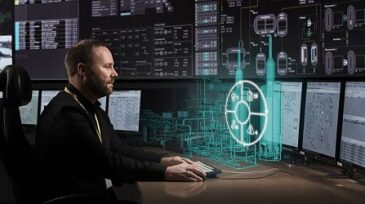
The coronavirus crisis had a devastating effect on oil-company revenues, but it has posed a tough human-resources problem too: how to keep workers safe on cramped rigs at sea where social-distancing is impossible. Many operators have found an answer in technology—specifically, digital twins.
-
Incorporating imagination into AI agents has long been an elusive goal of researchers in the space. Imagine AI programs that are able not only to learn new tasks but also to plan and reason about the future.
-
In addition to the well-recognized elements of digital transformation such as real-time monitoring, remote intelligence, and extraction of insights from data, there is a need to evolve the industry hardware through application of enhanced edge computing.