AI/machine learning

Aurora Innovation and Detmar Logistics have inked a deal for 30 autonomous trucks that will begin hauling sand in the region next year.

Sustainability in reservoir management emerges not from standalone initiatives but from integrated, data-driven workflows, where shared models, closed-loop processes, and AI-enabled insights reduce fragmentation and make sustainable performance a natural outcome.

Sponsored
In oil and gas operations, every decision counts. For more than 2 decades, SiteCom has been the trusted digital backbone for well operations worldwide, driving insight, collaboration, and efficiency.
-
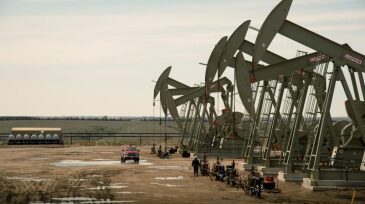
 Hundreds of rod-lift wells in North Dakota are about to get a big upgrade.
 -
A recent research effort has shown that the digital journey is full of stumbling blocks. Just like humans, advanced computing technology will get some things right and some things wrong.
-
The company behind the world’s most popular search engine is trying to click with the upstream business at the most distinguished technical event of the year.
-
The perceived change stemming from the spread of machine learning and artificial intelligence can feed alarming predictions about massive job losses, but replacement of humans is a low priority among organizations implementing these technologies.
-
Total is expanding its development and use of artificial intelligence to bolster its exploration work, collaborating with Google Cloud—which is stepping up its presence in the oil and gas industry.
-
The goal of cognitive computing is not to eliminate humans but allow highly skilled professionals to spend time doing what’s most valuable for the company.
-
A look at how policy, future workforce perception, and industry standards will shape energy companies in the near and distant future.
-
How can AI systems incorporate processes mimicking the slower logic- and causality-based reasoning patterns of the left brain?
-
Tiny soil samples may contain as many as 300,000 species of microbial life, but a Netherlands-based startup has figured out that between 50 and 200 of them can tell an operator if a drilling location will hold oil and gas reserves.