AI/machine learning

This research focuses on combining physics-based expert rules with machine learning to improve the detection of failure-related events in electrical submersible pumps.

A combination of physics principles and machine-learning techniques is used in this work to develop a virtual flowmeter for oil-production optimization in electrical-submersible-pump-lifted oil wells, resulting in reliable generalization.

This paper presents the deployment of an artificial intelligence-enabled autonomous gas lift optimization system, integrating real-time centralized advanced process control with cloud-based analytics to enhance artificial gas lift performance in producer wells.
-
 Chevron’s announcement comes on the heels of ExxonMobil’s announcement in December of a similar project to deliver natural gas-fueled electricity to US data centers.
 -
The authors make the case that data science captures value in well construction when data-analysis methods, such as machine learning, are underpinned by first principles derived from physics and engineering and supported by deep domain expertise.
-
These papers provided insights and advances into field-operations automation, machine-learning-assisted petrophysical characterization, and fluid-distribution analysis in unconventional assets.
-
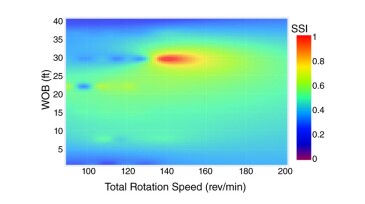
In this paper, the authors propose a regression machine-learning model to predict stick/slip severity index using sequences of surface measurements.
-
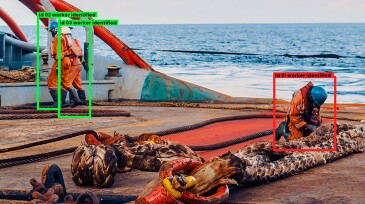
From optimizing drilling performance to enhancing worker safety, computer vision can change how the industry works.
-
A recent survey conducted by Rackspace Technology reveals new attitudes about using the cloud, including a change from using the public cloud to using private, on-site clouds or a hybrid of the two.
-
This study examines the implementation of a predictive maintenance method using artificial intelligence and machine learning for offshore rotating production-critical equipment. Conducted over 2 years at Murphy Oil’s deepwater platforms in the Gulf of Mexico, the project aimed to detect equipment issues early, reduce downtime, and streamline maintenance processes.
-
Moving from use cases to enterprisewide AI is more than a technology challenge. It requires anchoring on value, feedback, and innovation.
-
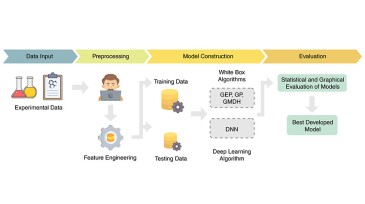
The objective of this study is to develop an explainable data-driven method using five different methods to create a model using a multidimensional data set with more than 700 rows of data for predicting minimum miscibility pressure.
-
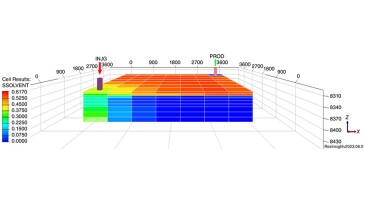
The authors present an open-source framework for the development and evaluation of machine-learning-assisted data-driven models of CO₂ enhanced oil recovery processes to predict oil production and CO₂ retention.