Business/economics

After years of market shocks, technological breakthroughs, and rising uncertainty, ATCE 2026 will provide new insights on how industry leaders and technical experts are preparing for the next era of the upstream business.

This guest editorial examines why geothermal projects require a different planning, financing, and development approach than traditional oil and gas projects.

As the pace of new discoveries slows and high-quality prospects become harder to find, oil companies may need to rely more heavily on mature fields to maintain production and support future supply.
-
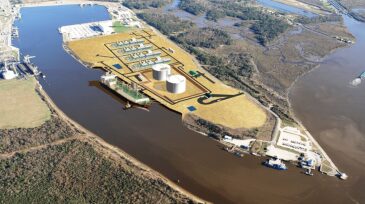
 With the acquisition of Magnolia LNG, along with its Texas LNG Brownsville project, Glenfarne Group expands its export capacity to 12 mpta.
 -
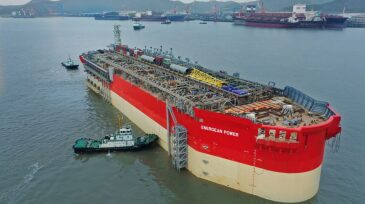
Work has resumed on Energan’s Singapore FPSO; subsea installation for the Karish project continues as planned.
-
Weatherford announced that Mark A. McCollum, president, CEO, and a director, has left the company, effectively immediately.
-
-
The leadership change comes amid a downturn in global crude prices which has lowered the national oil company’s revenues this year. Taking over the position will be the current chief financial officer.
-
Although oil prices were down on 8 June, the market is expected to see higher prices in response to the OPEC+ decision to continue production cuts.
-
Forecasts are lowered for levels of E&P, budgets, and project sanctioning.
-
The Permian Basin is now influencing the upstream water market on the way down, while many questions swirl around the implications of unprecedented shut-ins.
-
-
The economic impact report looked at scenarios involving current policies and potential bans on both drilling permits and offshore leases.