Business/economics

Lower operating expenditures and a changing asset mix helped UKCS operators cut average production costs by 9% year over year, despite relatively flat production levels, according to the NSTA.

The deal adds 40,000 B/D of production and epands Cenovus’ SAGD footprint with three Alberta assets.

The Federal Reserve Bank of Dallas’ third-quarter energy survey reflects industry views on the drawdown of the US Strategic Petroleum Reserve, the outlook for Persian Gulf crude exports, and expectations for oil prices.
-
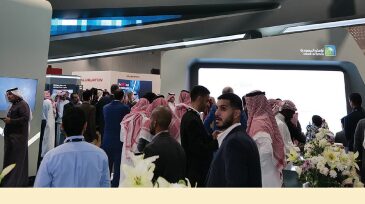
 The first interdisciplinary oil and gas conference to be held in Saudi Arabia, the 12th International Petroleum Technology Conference, was the largest in its history in attendance. This features highlights of the panel and technical sessions, and an interview with Saudi Aramco CEO Amin Nasser.
 -
JPT interviewed Saudi Aramco President and Chief Executive Officer Amin Nasser during IPTC. He discussed the company’s outlook for the new year and the current state of the oil and gas industry.
-
In a scenario of accelerated international infection rates, the supply impact would quickly become more severe. If ongoing virus containment efforts prove unsuccessful, production operations at more producing assets in Southeast Asia and beyond could be directly affected.
-
Sumitomo Heavy Industries invested $46 million in Highview Power. SHI's subsidiary will also become the technology center and hub for Highview Power's CRYObattery business.
-
Indonesia’s production of both oil and gas will most likely fall in 2020, a Rystad Energy analysis shows, despite the country’s official projections of a combined 8% growth year-on-year.
-
Romgaz seeks 20% stake in ExxonMobil’s Neptun Deep project
-
The provider of subscription-based analytics services for the North American oil and gas sector continues its streak of purchasing data-focused firms.
-
BP says it is firmly committed to achieving the ambitious target of net-zero greenhouse gas emissions over the next 30 years—even if that means producing less oil and gas.
-
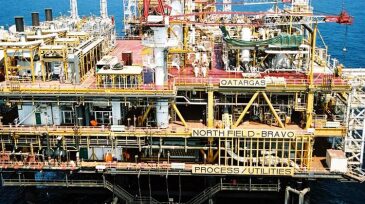
The LNG will come from the offshore Qatargas 4 project in the North Field, a joint venture between Qatar Petroleum and Shell.
-
Six American oil executives under house arrest in Venezuela were rounded up by police hours after President Donald Trump met Venezuelan President Nicolás Maduro's chief opponent at the White House, according to family members of the men.