Business/economics

The long-term outlook analysis says a potential shift toward new construction could push 2026 production 3% above 2025 levels.

Lower operating expenditures and a changing asset mix helped UKCS operators cut average production costs by 9% year over year, despite relatively flat production levels, according to the NSTA.

The deal adds 40,000 B/D of production and expands Cenovus’ SAGD footprint with three Alberta assets.
-
 The decision to ramp down production on the Aspen project comes months after the Alberta provincial government imposed production cuts to handle pipeline bottlenecks. Aspen is projected to produce 75,000 BOPD upon startup.
 -
The complicated parent-child relationship in US shale fields is emerging as a turning point in the US shale revolution. One of the first executives to exploit tight oil says the issue will reverse the sector’s cumulative growth rate by 2025.
-
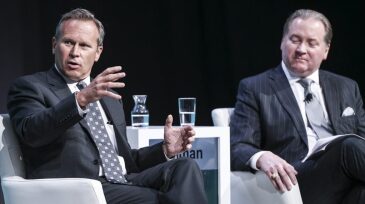
Encana CEO Doug Suttles assures that shale executives are acutely aware of the parent-child well challenge, and he doesn’t think it’s “a big threat” to the sector.
-
The Spotlight on New Technology Awards—a program for OTC exhibitors—showcase the latest and most advanced hardware and software technologies that are leading the industry into the future.
-
The shale revolution is leading the US into a unique position: a bigger exporter of crude and petroleum liquids than the Kingdom of Saudi Arabia.
-
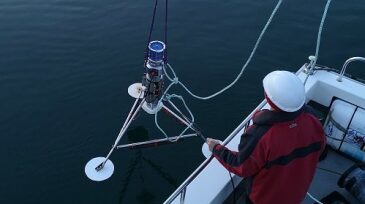
The company plans an innovative application of oceanographic instrumentation to maximize recovery at its Johan Sverdrup oil field in the North Sea.
-
The US majors plan to produce around 1 million BOE/D each from the basin, which has become a primary focus of their upstream operations.
-
Digitalization leads oil and gas research and development investment priorities, according to DNV’s 2019 annual outlook.
-
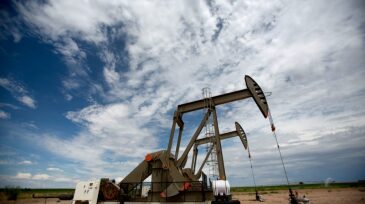
The technical challenges imposed by tight well spacing and fracture interactions have become a focal point of recent earnings calls between investors and the leaders of several shale producers. The picture of the future is becoming clearer, and there are fewer oil wells in it.
-
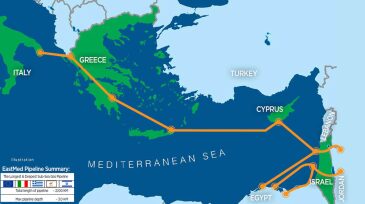
The second round will offer 19 offshore blocks clustered in five zones to continue natural gas development in the eastern Mediterranean’s Levant Basin.