Business/economics

After years of market shocks, technological breakthroughs, and rising uncertainty, ATCE 2026 will provide new insights on how industry leaders and technical experts are preparing for the next era of the upstream business.

This guest editorial examines why geothermal projects require a different planning, financing, and development approach than traditional oil and gas projects.

As the pace of new discoveries slows and high-quality prospects become harder to find, oil companies may need to rely more heavily on mature fields to maintain production and support future supply.
-
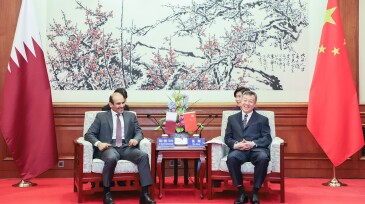
 The 18 vessels CSSC will build for QatarEnergy will be the largest LNG vessels in service.
 -
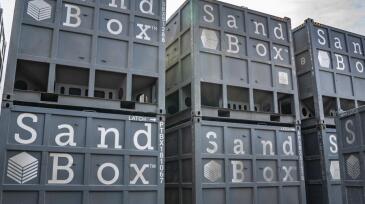
The second major deal in the US proppant industry this year will see US Silica go forward as a private company.
-
The asset combination is structured under Eni’s “satellite model,” which Eni has deployed successfully with similar upstream joint-venture deals in Norway and Angola.
-
The US upstream sector began 2024 with $51 billion in mergers and acquisitions though Enverus outlines why the dealmaking may slow down.
-
Kampala is drawing now on international experience to sidestep the “oil curse” before first crude flows from its Lake Albert developments.
-
The new vessels bring QatarEnergy’s fleet to 104 as the company ramps up production with its North Field expansion.
-
As the biggest US companies grow bigger, the advantage of scale becomes clearer.
-
The world's largest oilfield service company made the deal to expand its exposure to the less cyclical production segment of the upstream business.
-
The partnership seeks to shift the economics of carbon capture across high-emitting industrial sectors.
-
Blocked by sanctions from obtaining Western technology, Tehran has turned to its domestic service industry to expand production as Chinese demand reaches new highs.