Business/economics
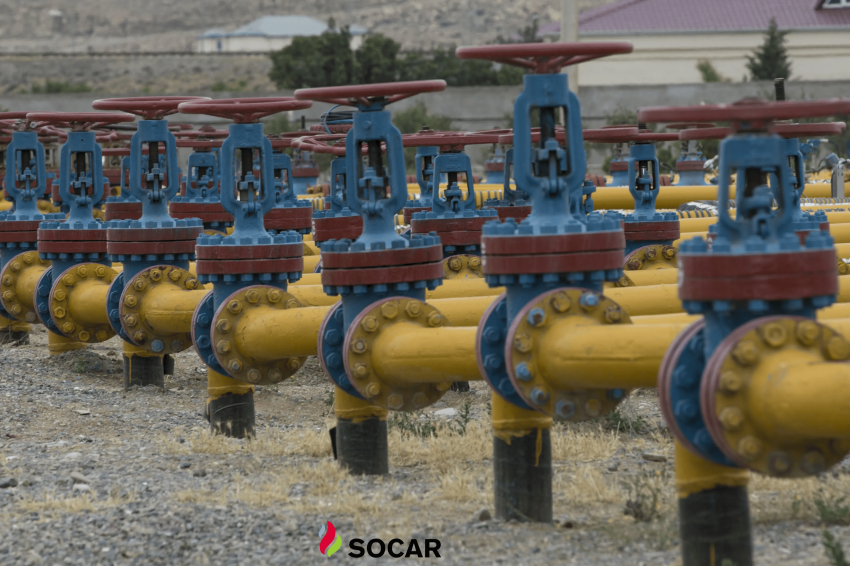
After a decade and a half of declining production, Uzbekistan, ranked 15th worldwide in gas output, has been seeking foreign partners to revive and reverse the fortunes of its oil and gas industry.

While often associated with smaller discoveries, subsea tiebacks are playing a growing role in contributing to the broader energy mix.

The Houston-based enhanced geothermal developer scored $1.9 billion in an initial public offering, positioning it to expand projects in Utah and Nevada.
-
 Gasoline and diesel demand are set to increase YoY beginning in Q3 2020.
 -
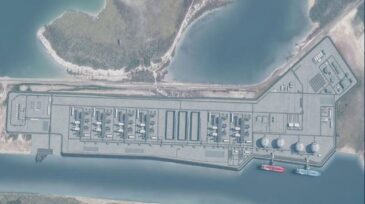
Production from Train 3 comes almost a month after reaching its final commissioning stage. Commercial operations will follow testing and authorization from FERC.
-
Senior oil and gas professionals see hydrogen as a significant part of the global energy mix by 2030.
-
FID on RGLNG was originally expected in 2019, before it was pushed to Q1 2020. NextDecade will continue to develop and de-risk the project.
-
The oilfield services company's Tubular Running Service was recognized for reducing costs, maximizing safety.
-
The Italian oil company has redesigned its dedicated portal for suppliers. The company’s Supplier Portal and Collaboration Environment, which it calls eniSpace, is a platform combining communication, collaboration channels, and open innovation instruments with traditional procurement processes.
-
In 2 months, the US saw a 56% decline in rig count, reaching a 33-year low.
-
As operators feel the pinch of low oil prices, so, too, do their service providers.
-
The JV continues KBR’s work history in Kazakhstan. The company has worked on various projects in the country since 1993.
-
Centennial said in its 10-Q report for Q1 that the economic downturn increased the likelihood that the transaction would fail to close by its original timeline.