Business/economics

While often associated with smaller discoveries, subsea tiebacks are playing a growing role in contributing to the broader energy mix.

The Houston-based enhanced geothermal developer scored $1.9 billion in an initial public offering, positioning it to expand projects in Utah and Nevada.

Equinor generated its first revenue from the Adura joint venture with Shell, formed in late 2025, highlighting strong early cash flow from key UK fields including Mariner and Buzzard.
-
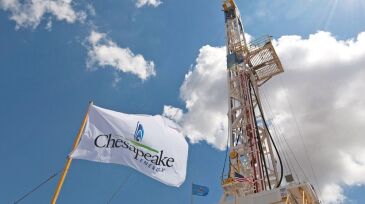
 The Oklahoma City-based operator struck the first big US shale deal of 2023 as it pivots toward natural gas developments.
 -
A big jump in the tax incentives offered for putting CO2 in the ground, hopefully forever, has set off a mad rush to sequester CO2. But is that really the best option?
-
When the name change was announced on 24 October, the accompanying release said the SLB name was designed to underscore “the company’s vision for a decarbonized energy future and affirming its transformation from the world’s largest oilfield services company to a global technology company focused on driving energy innovation for a balanced planet.”
-
Proposed energy projects needing US federal permits will come under increased scrutiny related to the scope and magnitude of potential emissions.
-
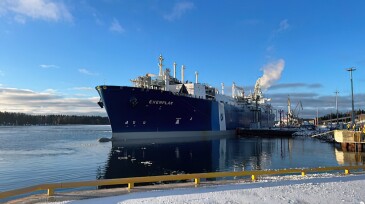
FSRU Exemplar will deliver natural gas to Finnish and Baltic markets via a decade-long contract with local transmission company.
-
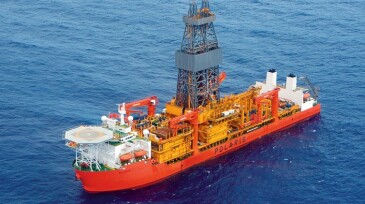
Offshore rig owner expands deepwater fleet in a transaction valued at just under $1 billion.
-
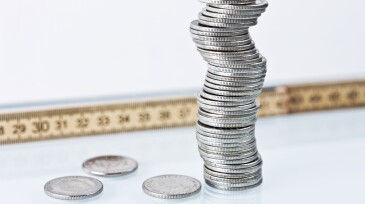
Instead of insights, traditional economic yardsticks in mature fields can create surprises. Buyers, investors, and lenders need new yardsticks—besides those based on present value—in order to make profitable decisions in mature properties.
-
NextDecade pushes the final investment decision on project to the first quarter of 2023.
-
Leveraging its existing natural gas interests, plus renewables potential in Egypt and Mauritania, BP is now factoring in Africa to realize its global ambitions as a hydrogen producer.
-
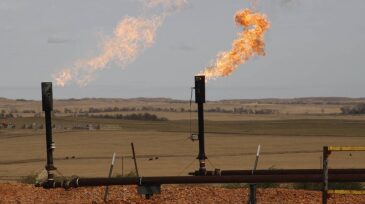
Barriers remain, but oil companies across the world are now in a position to reap big profits by capturing methane instead of flaring and venting it.