Business/economics
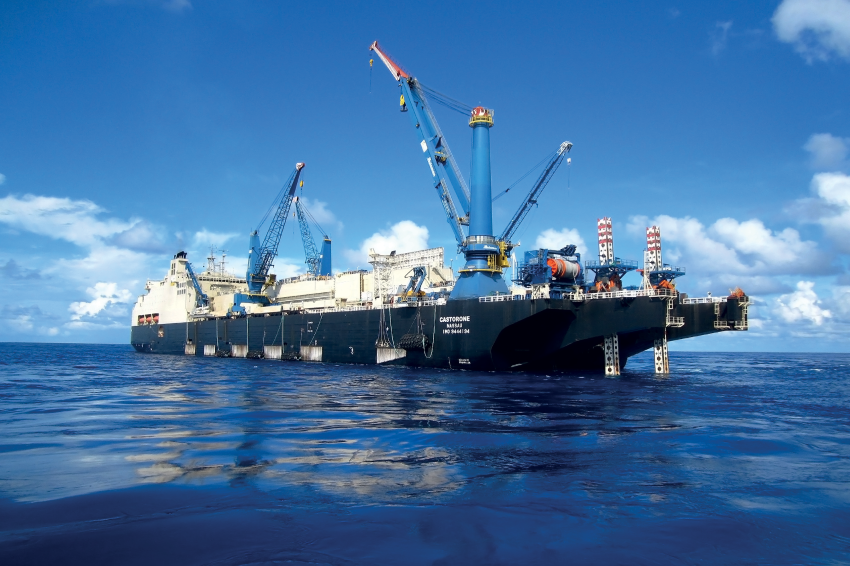
The $5.1 billion ultradeepwater project is Angola’s first integrated cross-block development and sits at the top of Azule’s Southern African portfolio.

The Federal Reserve Bank of Dallas’ second-quarter energy survey reports improved business conditions, despite a mixed outlook on oil prices and input costs.

Equinor and its partners’ investment in the Troll West Increased Gas Recovery North (TWIN) project aims to unlock around 11 Bcm of additional natural gas from the Troll field, with first production targeted as early as 2028.
-
 The multiyear contract with YPF includes electric pumping units and automated stimulation services.
 -
The Orange Basin and Gulf of Guinea will see most of the high-impact drilling activity planned this year in Africa.
-
Agreements create long-term frameworks to advance offshore Suriname developments, aiming to streamline project delivery, reduce costs, and accelerate field development through early integration across the project life cycle.
-
While Uzbekistan has seen a significant drop in flaring, methane leaks from deteriorating infrastructure continue to reveal themselves to satellites in space.
-
ExxonMobil will retain its equity stakes in ongoing Bass Strait projects even as it hands off its operatorship responsibilities to Woodside Energy.
-
Technology and partnerships remain important, while phased approaches may supplant lengthy appraisal programs, experts said during CERAWeek.
-
Analysts weigh near‑term risks for Middle East oil and gas producers after a tentative 2‑week ceasefire between the US‑Israeli coalition and Iran.
-
The ASEAN Council of Petroleum and Energy and SPE have taken a step toward deeper regional collaboration, formalizing a Memorandum of Cooperation at OTC Asia 2026. The agreement signals a shared commitment to advancing energy security, sustainability, and technical excellence across ASEAN through expanded knowledge exchange and workforce development.
-
The transaction creates a new company, NEO NEXT+, which is now the largest independent producer on the UK Continental Shelf.
-
Conflict‑driven price gains may be offset by higher costs, supply‑chain risks, and a limited appetite for new drilling activity.