Business/economics
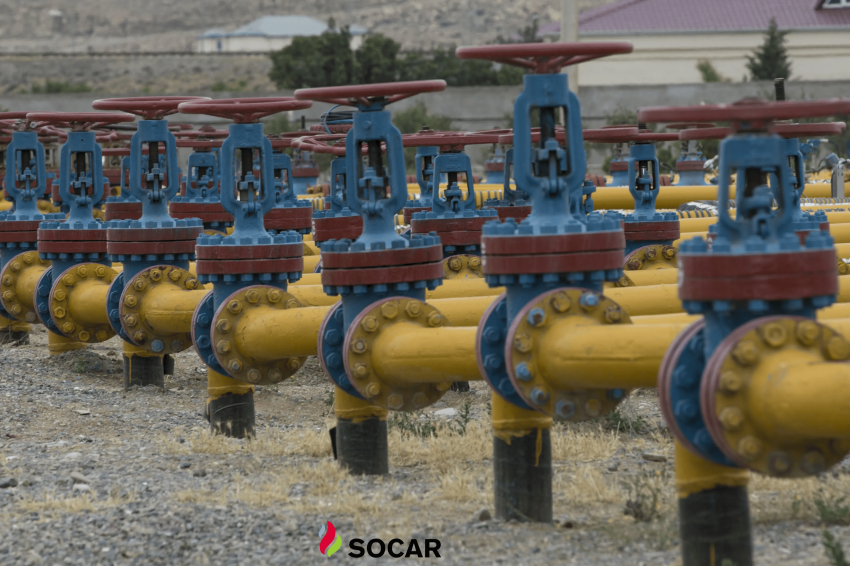
After a decade and a half of declining production, Uzbekistan, ranked 15th worldwide in gas output, has been seeking foreign partners to revive and reverse the fortunes of its oil and gas industry.

While often associated with smaller discoveries, subsea tiebacks are playing a growing role in contributing to the broader energy mix.

The Houston-based enhanced geothermal developer scored $1.9 billion in an initial public offering, positioning it to expand projects in Utah and Nevada.
-
 In its May 2020 Short-Term Energy Outlook, the US Energy Information Administration (EIA) forecast US-marketed natural gas production to decrease by 5% in 2020. Production is expected to average 94.3 Bcf/D in 2020, down from 99.2 Bcf/D in 2019.
 -
While oil- and gas-related companies slash budgets and staff and operators pull back from production and exploration, the tax coffers of US local and state governments are shrinking fast and with hard repercussions.
-
Nearly everything’s on the table as companies aim to shore up portfolios by curtailing investments and dumping low-priority assets.
-
McDermott’s restructuring comes 5 months after it filed for Chapter 11 protection. The company was struggling with debt since its 2018 acquisition of CB&I.
-
Most crude exports coming out of the North Sea since March have been destined for Asia, where floating storage levels remain high.
-
Two of the biggest assets to suffer from the new valuation are in Australia. Shell’s QGC venture and its floating liquified natural gas facility, Prelude, have been reduced in value by up to $9 billion.
-
Denbury Resources needs enhanced debt reduction. The company that does enhanced oil recovery using carbon dioxide it produces and transports has skipped a payment to creditors while it seeks a deal that would reduce its debts.
-
The deal includes 15 global sites and over 1,700 staff expected to transfer to INEOS upon completion of the sale. The deal also follows BP’s announcement earlier in the month that it would cut 14% of its workforce.
-
The drop in US LNG exports comes amid a combination of weak demand, ample supply, additional capacity coming on line, and flexibility to cancel US cargoes.
-
The distressed shale pioneer will wipe away nearly $7 billion in debt and is likely to make major asset sales as it attempts to restructure itself into a profitable business.