Carbon capture and storage

This SPE technical section editorial synthesizes six technical themes shaping CO2 transport and storage and interprets them through a petroleum engineering capability lens.

The Pawnee Carbon Sequestration Project, which would use a repurposed well, is planned to capture and store up to 400,000 tonnes of carbon dioxide, with first injection targeted for early 2027.

This paper details the importance of and value derived from a real-time process-twin model for one of the world’s largest operating carbon dioxide sequestration projects.
-
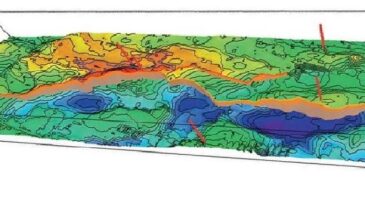
 A new study will identify the UK’s best sites and produce a roadmap for carbon storage to help the country reach its net zero targets, geologists say.
-
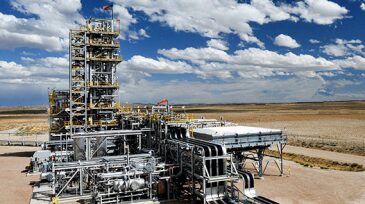
ExxonMobil is planning to build and operate a carbon capture facility in southwest Wyoming, according to a permit application filed with the state's environmental regulatory agency in January.
-
Carbon storage is perhaps the only viable option for reducing carbon to the levels that many governments have agreed are important, and EOR is the only proven technology that can be made ready in the time and at the scale required to accomplish this reduction worldwide.
-
The companies will focus on research and development to reduce CO2 emissions and promote the circular economy.
-
A new joint study will test the economic viability of taking CO2 from a cement plant and giving it to an oil company to pump underground.
-
Rapid scale-up of CCUS projects is critical to achieving net-zero carbon emissions by 2050.
-
Rapid scale-up of carbon capture, use, and storage is essential for meeting climate and emissions targets while not crippling economic growth. Yet, its potential remains largely untapped because of reasons that include growing pains of immature technologies and uncertainty around public policy.
-
Mosaic’s technology uses chemistry to remove carbon dioxide from emissions sources, and the two firms will be looking at how to scale it for industrial use.
-
Using direct air capture in the near-term is critical if the technology is going to be affordable at a truly large scale in the coming decades. Enhanced oil recovery is the most-economic way to do that.
-
The oil industry is investigating carbon capture and sequestration projects after Congress passed expanded tax credits last year. But questions linger about how much industry investments will actually lower greenhouse gases.