Carbon capture and storage

This paper presents a flexible, highly cost- and energy-efficient method of gas separation and CO₂ capture from many different gas mixtures with a large range of CO₂ concentrations.

This study explores the carbon-capture and mineralization potential of ultramafic rock powders when exposed to flue gases generated from combustion of crude oil and mesquite-derived charcoal.

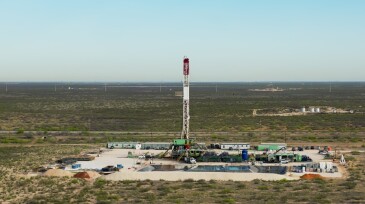
This paper presents an approach for safe, efficient, and cost-effective legacy well reabandonment.
-
 A final investment decision is also expected by the end of the year for the company’s first low-carbon data center project.
 -
The North Sea Transition Authority has updated its UKCS Well Applications and Consents Guidance to include the process for applying for consent to drill carbon-storage wells.
-
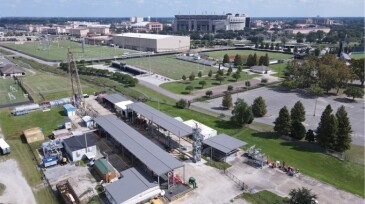
For more than a century, LSU has shaped petroleum engineering education, but few assets showcase its impact like the PERTT Lab. With six deep test wells and rare reservoir-depth gas-injection capabilities, the facility is helping drive breakthroughs in well control, carbon-dioxide injection, and next-generation energy technologies.
-
Following the start of injection in August, Northern Lights has issued the first set of certificates documenting that the carbon dioxide captured from the Heidelberg Materials cement factory has been transported and stored permanently in the Aurora reservoir.
-
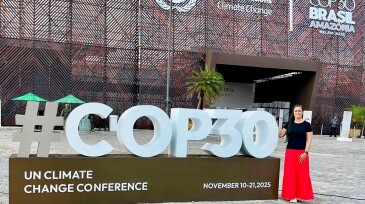
As COP30 wrapped up in Brazil, the country finds itself at an inflection point, positioned to deliver South America’s first carbon-dioxide injection by mid-2026.
-
The 14 available locations are estimated to be able to provide up to 2 gigatonnes of additional carbon-dioxide storage capacity.
-
The ruling means the state will take over permitting and enforcement of EPA regulations pertaining to all classes of wells, including injection wells for carbon dioxide storage.
-
Petronas CCS Ventures receives Malaysia’s first offshore assessment permit for carbon capture and storage in the Duyong field offshore Peninsular Malaysia.
-
Regulators pull from experiences in the oil and gas industry to define best stewardship practices for the nascent CCS industry.
-
EERC CEO Charles Gorecki outlines how applied research in North Dakota is helping improve oil recovery, reduce emissions, and advance carbon storage.