Completions

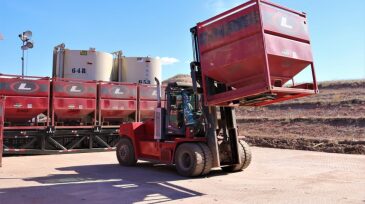
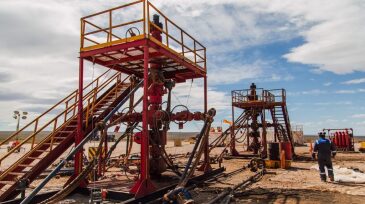
Output is rising fast in the South American shale play and putting Argentina on a course to soon reach 1 million B/D.

This case study presents a procedure in which the operator compared production from wells with adjusted wettability to a control group, finding that the adjustments resulted in significant improvements in production and reductions in produced water.
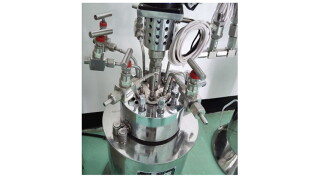
This study aims to systematically assess casing integrity and corrosion risks associated with CO2 injection in oil-recovery operations.
-
 Completion engineers feel pressure to maximize production per acre and minimize the downsides of fracturing in tight spaces. Terry Palisch, talks about promoting knowledge sharing as part of JPT’s tech director report.
 -
Water management for unconventional projects continues to evolve at a rapid pace. What are some of the universal trends industry is adopting to handle higher produced water volumes and increased demand, and how do local dynamics impact the adoption of these trends?
-
ProPetro closed its deal to purchase Pioneer’s pressure pumping fleet, boosting its services in the Permian Basin.
-
Three onshore fields in the Emirate of Sharjah, United Arab Emirates, have more than 30 years of production history from more than 50 gas-condensate wells.
-
This paper describes how a technique known as applied-surface-backpressure managed-pressure drilling (ASBP-MPD) can alleviate the limitations of conventional deepwater well control.
-
An oil and gas startup has attracted the business with a major operator thanks to its ability to forecast whether production-enhancing chemicals will work as advertised.
-
Nonaqueous drilling fluids, such as synthetic-based and oil-based mud (SBM and OBM, respectively), are used frequently to drill one or more sections of a well to reduce drilling problems such as shale sloughing, wellbore stability, and stuck pipe.
-
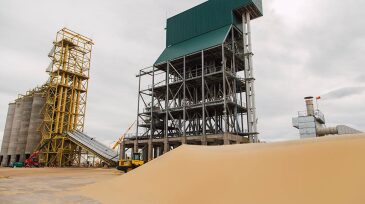
Producers in Texas have claimed an economic victory with their transition to local sands that they once avoided using in horizontal wells due to their low-quality.
-
Vaca Muerta production is on the upswing. Will increasing activity propel the Argentine play to the ranks of US shale? Data suggest it is both already there and has a ways to go.
-
Since the 1980s, many technical works have focused on improving the ability to detect hydrocarbons inside the riser and safely remove them from the system. This trend gained extra momentum with the advent of systems such as riser-gas handlers and managed-pressure drilling.