Completions

Output is rising fast in the South American shale play and putting Argentina on a course to soon reach 1 million B/D.
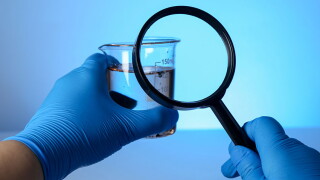
This case study presents a procedure in which the operator compared production from wells with adjusted wettability to a control group, finding that the adjustments resulted in significant improvements in production and reductions in produced water.
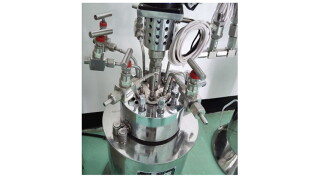
This study aims to systematically assess casing integrity and corrosion risks associated with CO2 injection in oil-recovery operations.
-
 The pressure pumping giant turns to algorithms to get better fractures and fewer problems.
 -
Operators are working with a young startup company to overhaul how the unconventional sector has traditionally interpreted one the most common tests used to influence well completion designs.
-
Hydraulic fracturing is now a little bit easier for US shale operators thanks to readily available horsepower and in-basin sand.
-
Well-interference issues can be hard to diagnose, but this startup may be figuring that out. The data-driven process it developed can also help operators come up with more effective ways to use diverters.
-
As operators seek lower water management costs, a pair of studies examines methods and technologies that could have a major impact on treatment and reuse for hydraulic fracturing operations and beyond.
-
A software program has evolved from predicting future well output to showing engineers the many ways their ideas could affect asset performance.
-
The rise of cube developments in the Permian Basin has introduced a new way of thinking for some of the region’s biggest players.
-
Seismic stimulation, achievable with the implementation of a single tool, requires significantly lower investments than gas, thermal, and chemical injection methods, with minimal environmental impact.
-
Researchers at Texas Tech University have released a study into wastewater production and disposal in the Marcellus Shale, proposing disposal hubs across the state of Pennsylvania that could reduce trucking distances.
-
To better protect workers exposed to respirable crystalline silica, OSHA has issued two new standards: one for construction and another for general industry and maritime. OSHA will begin enforcing most provisions of the standard for general industry and maritime on 23 June.