Completions

This paper presents a study that confirms glass-reinforced-epoxy-lined tubing as a reliable, cost-effective solution for long-term water-injection service in moderate-salinity offshore environments.

This paper introduces in-pipe inspection technologies enabling high-resolution digital measurements of tubular internal diameter and wall thickness for critical downhole applications.
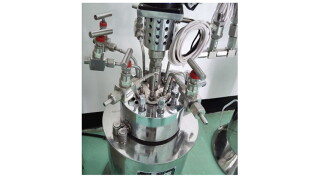
This study aims to systematically assess casing integrity and corrosion risks associated with CO2 injection in oil-recovery operations.
-
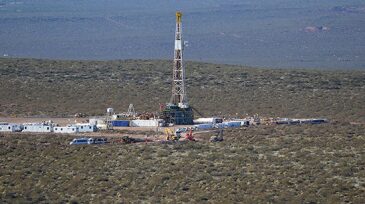
 Shale explorers in Argentina are reporting that improving performance and activity is set to rise this year to boost the country’s gas production.
 -
OriginClear agreed to a sales licensing deal for use of its Electro Water Separation technology at a Sinopec-operated shale gas site.
-
An advisor at Schlumberger discusses the company’s work in examining the effect of perforations on hydraulic fracture initiation.
-
Optimizing laterals by integrating data from many sources to address reservoir variability and structural challenges can increase shale well productivity.
-
Oil and gas producers in the Gulf of Thailand face unique technical challenges. This review of papers illustrates some of the innovative solutions used in the region.
-
This paper analyzes water production from horizontal shale wells in five sections of the Wattenberg field in northeastern Colorado. Models were developed for these wells for future water-production prediction and a spatial analysis was also conducted.
-
Kerogen Exploration is excited about the Vista Grande project, a Woodford Shale play in a west-Texas Permian sub-basin that offers further targets lying above in the Barnett Shale.
-
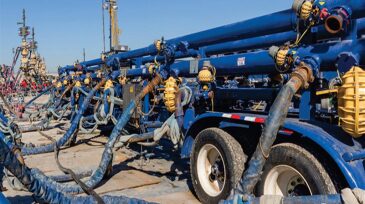
A new spread of stimulation equipment from the world’s largest service company demonstrates the latest significant step to creating a more automated oilfield.
-
Deepwater operators continually face technical and environmental challenges to drilling and completing wells safely and efficiently.
-
This paper focuses on the application of radio-frequency-identification technology to enable an operator to eliminate an intervention run (or intermediate liner) for a 10,000-ft reservoir section.