Data & Analytics

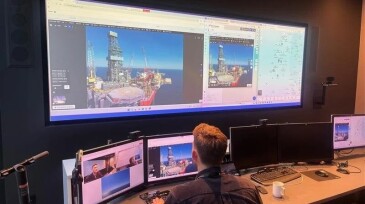
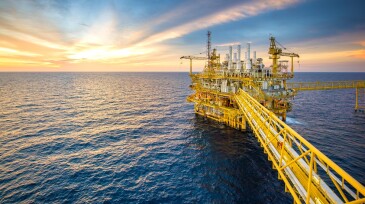
Shell has demonstrated drone-in-a-box operations from its Mars floating production unit, becoming the first operator in the region to secure FAA approval for self-approved offshore beyond-visual-line-of-sight flights. JPT Senior Technology Editor Jennifer Pallanich visited Shell Technology Center Houston to see the system in action.

Panelists at the SPE Subsea Well Intervention Symposium discussed where AI is delivering value today, where risks remain, and how engineers can best determine its usefulness.

As digital technologies become commonplace, industry leaders say core engineering knowledge remains essential for making informed decisions and avoiding costly mistakes.
-
 The company has installed an autonomous drone system on Aker BP’s Edvard Grieg platform in the North Sea, enabling frequent, remote inspections from shore.
 -
Best practices are not static; they evolve alongside advancements that redefine what is achievable.
-
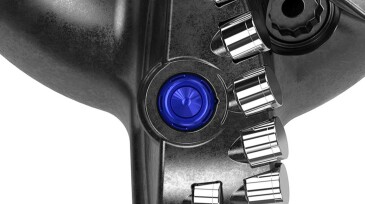
New strides in computer vision, well controls indicators, and BOP alignment were showcased at the recent Offshore Technology Conference.
-
Three case studies consider the gas-related reasons electrical submersible pumps fail in unconventional shale environments.
-
The report on data from the Cybernews Business Digital Index also revealed that only 10% of top oil and gas firms passed a basic cybersecurity assessment. The rest failed.
-
The company’s new Retina imaging system creates high-resolution borehole images at the drill bit.
-
Gautam Swami, manager of corporate R&D at NOV and SPE member, shares his experiences in building a career in oil and gas R&D, discusses how innovation is shaping the industry, and offers guidance to young professionals.
-
Aramco’s latest MOUs focus on driving innovation and growth across oil, gas, and downstream sectors.
-
Weatherford International announced a strategic agreement with Amazon Web Services (AWS) to advance the company's digital transformation and drive innovation across the energy sector.
-
This article presents a comparative study evaluating four machine-learning approaches, including three deep-learning methods, for forecasting gas and condensate production over a 5-year horizon.