Data & Analytics

Working with Dell Technologies and NVIDIA, the French supermajor is targeting improved seismic processing and artificial intelligence applications.

A discussion at the inaugural executive breakfast convened by the SPE Data Science and Engineering Analytics Technical Section, held alongside CERAWeek by S&P Global and powered by Black & Veatch, tackled the challenge of value creation from artificial intelligence in the energy industry.

AI‑driven data center growth is straining US power grids and accelerating interest in enhanced geothermal systems as a scalable, low‑carbon solution.
-
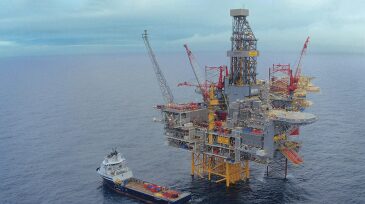
 A proving ground for the use of digital twins has emerged in the North Sea. There, operators Total, Aker BP, and Shell have each developed and deployed twins that they expect to pay big dividends.
 -
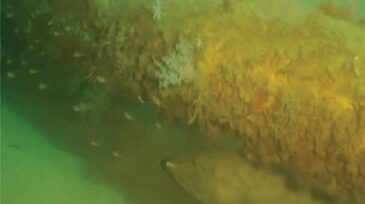
The complete paper describes the potential global scientific value of video and other data collected by ROVs.
-
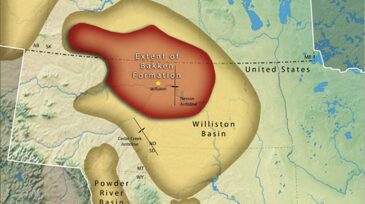
Multistage horizontal well designs were first implemented in the Bakken in 2007. Since then, more than 12,000 wells have been completed in either the Middle Bakken or Three Forks zones.
-
Data undoubtedly has value, agreed participants at a recent symposium held by the Professional Petroleum Data Management Association in Denver. Quantifying that value—and communicating that value to decision-makers in a company—however, is tricky if not impossible.
-
Using deep-learning and computer-vision techniques, the software recognizes all instances of specific instruments, valves, lines, and other features in a P&I diagram in seconds.
-
The joint offerings are expected to help make energy operations safer, cleaner, and more efficient.
-
The vigilante hacker has offered the reward for hacktivists and criminals who break into capitalist institutions.
-
The digital transformation is a risky proposition for oil and gas companies adapting to a rapidly changing business environment, but a failure to adapt could spell trouble for the industry.
-
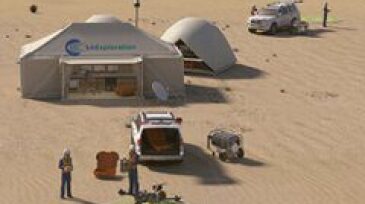
The seismic sensors will be dropped by six autonomous aerial drones and later be retrieved by an unmanned ground vehicle instead of conventional manual deployment and recovery by ground-based teams.
-
The scientific literature is riddled with bad charts and graphs, leading to misunderstanding and worse. Avoiding design missteps can improve understanding of research.