Data & Analytics

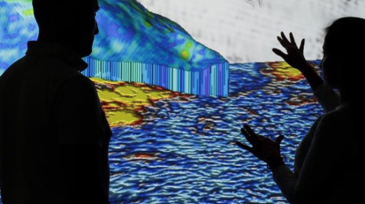
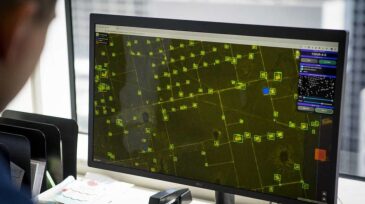
Working with Dell Technologies and NVIDIA, the French supermajor is targeting improved seismic processing and artificial intelligence applications.

A discussion at the inaugural executive breakfast convened by the SPE Data Science and Engineering Analytics Technical Section, held alongside CERAWeek by S&P Global and powered by Black & Veatch, tackled the challenge of value creation from artificial intelligence in the energy industry.

AI‑driven data center growth is straining US power grids and accelerating interest in enhanced geothermal systems as a scalable, low‑carbon solution.
-
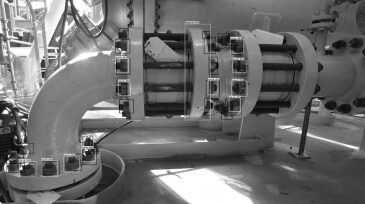
 Using machine learning (ML), image recognition, and object detection, the use of ML on algorithms to recognize objects and describe their condition were investigated—offering new possibilities for performing inspection and data gathering to evaluate the technical condition of oil and gas assets.
 -
The combination of digital technologies will enable Chevron—and, eventually, other companies—to process, visualize, interpret, and glean insights from multiple data sources, the companies said.
-
The planned collaboration is expected to provide analytics-ready data from IHS Markit that would be directly accessible from the GAIA platform.
-
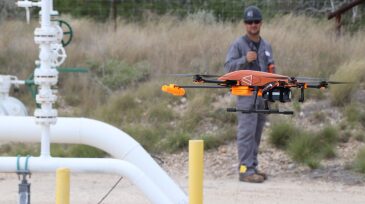
The pilot used sensor technology originally deployed by NASA for the Mars Curiosity Rover to collect methane emissions data live-streamed from a drone. BP said it plans to deploy the technology to all of its North Sea assets, including ETAP and Glen Lyon, in 2020.
-
Equinor Technology Ventures and OGCI Climate Investments have agreed to back the tech developer, which integrates its SeekIR miniature gas sensors onto drones to detect, localize, and quantify carbon emissions.
-
Blending smart-proxy models with data-driven models to create hybrid models is not always the best idea for physics- and engineering-related applications.
-
Equinor is working on a natural language processing tool that could combine data sources and help planners anticipate the issues that affect onsite operational safety.
-
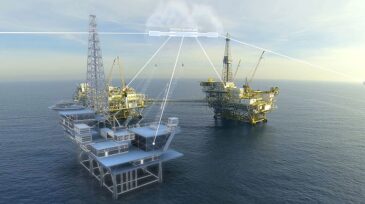
The company has proposed the Probabilistic Digital Twin to close the gap between digital twins—used increasingly by operators to manage the performance of their assets—and risk analysis still largely conducted manually before assets enter service.
-
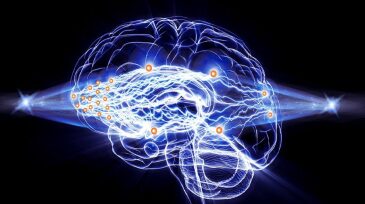
Even the most powerful computers are still no match for the human brain when it comes to pattern recognition, risk management, and other similarly complex tasks. A new approach, however, could enable parallel computation with light, simulating the way neurons respond in the human brain.
-
At least a half dozen energy data firms are offering satellite imaging of the 75,000-sq-mile oil field to provide intelligence to energy companies on activities including the appearance of drilling pads and hydraulic fracturing ponds and the movements of drilling rigs and crews across the Permian.