Data & Analytics

The US supermajor will use Permian Basin natural gas to support the hyperscaler’s AI business.

Analysis by the energy research firm sees the value of artificial intelligence growing for exploration and production companies, but the company said increased investment will be necessary.
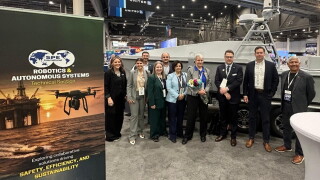
This article from the SPE Robotics and Autonomous Systems Technical Section (RASTS) explores the insights shared at the recent Offshore Technology Conference (OTC) in Houston about autonomous systems and their role in the industry's future.
-
 TotalEnergies and the French company Mistral AI are joining forces to extend the use of AI in improving TotalEnergies’ performance, especially in low-carbon energies. The partners plan to set up a joint innovation lab focused on artificial intelligence.
 -
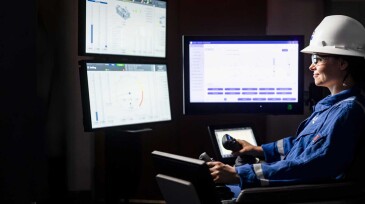
Operators that demand control of their future position in global energy production are forging ahead into new territory by digitally transforming their operations at a time that still feels relatively comfortable. They’ve recognized that, while traditional approaches served the industry well for many decades, the chance to reimagine how they do things is not something…
-
Secondary and tertiary efforts are critical for sustaining the productive lives of unconventional plays.
-
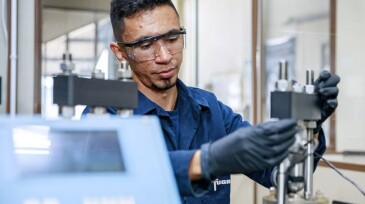
The new lab expands the company's capabilities in the region by 20% by adding more than 30 testing stations.
-
Foundation models are rapidly emerging as a transformative force across industries. While their effect on natural language processing and computer vision is well-documented, their potential in specialized engineering domains, particularly within the critical oil, gas, and broader energy sectors, is vast and increasingly recognized. This article explores how these powe…
-
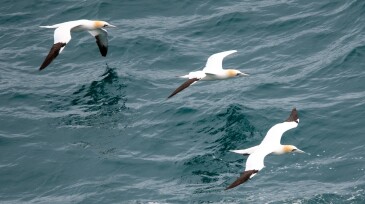
Buoy-based camera footage, analyzed by artificial intelligence, can help reduce the risk of birds colliding with offshore wind farm turbines.
-
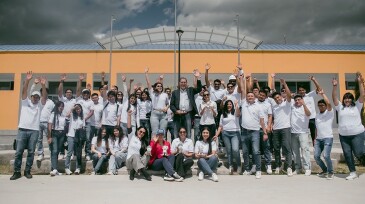
The SPE Ecuador Section brought the excitement of robotics and energy education to life through an intensive 1-day Energy4me training, reaching 1,324 children from rural Quito.
-
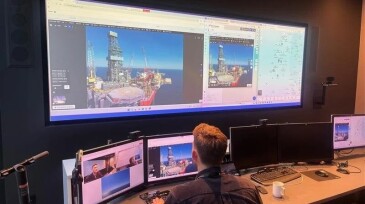
The company has installed an autonomous drone system on Aker BP’s Edvard Grieg platform in the North Sea, enabling frequent, remote inspections from shore.
-
Best practices are not static; they evolve alongside advancements that redefine what is achievable.
-
New strides in computer vision, well controls indicators, and BOP alignment were showcased at the recent Offshore Technology Conference.