Data & Analytics
Aramco says it has saved $770 million over the past 3 years from the $70 million it has invested over the same period in corrosion management technologies.

The deal adds physics-based reservoir modeling and real-time decision workflows to SLB’s digital portfolio.

The paper presents the design and successful field deployment of the first closed-loop hydraulic fracturing program.
-
 As companies begin examining facilities in the wake of Hurricane Harvey, commercial drones have become a valuable asset in reaching flooded areas too dangerous for people to reach.
 -
No longer considered a buzz phrase, cloud computing has made converts of the largest oil companies, and now the smaller ones are next.
-
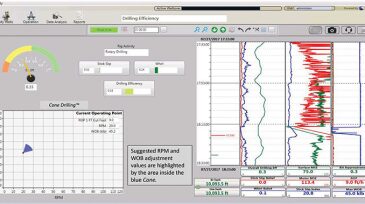
Researchers have developed a drilling-data-aggregation and -distribution system that seamlessly integrates all forms of data, file types, and communication protocols and incorporates human-factors engineering in the design.
-
Southwest Research Institute is working to improve the accuracy of pipeline leak detection using sensors, artificial intelligence, and deep learning.
-
Sensor systems for pipeline inspections from Ingu and Rheidiant are among the initial selections to receive funding under Chevron’s CTV Catalyst Program.
-
Rockwell Automation’s Luis Gamboa explains his company’s new solution designed to allow operators to collect, sort, and reconcile the quality and quantity of data from multiple sources to optimize field data.
-
The classification society's first offshore drone survey was conducted on a semisubmersible used to support Statoil's drilling operations in the North Sea.
-
Robots have the potential to move human operators away from uncomfortable, potentially risky environments and into comfortable, safe control rooms.
-
Operators need to take steps to protect their facilities from drone security breaches by outsiders. The costs an attacker incurs in developing tools to break into and control infrastructure is low compared to the costs an operator incurs in defending against those tools.
-
Technical means are not enough to protect a business from cyberthreats. That is why many companies already invest in employee cybersecurity training. There, however, complications may arise.