Data & Analytics

Schneider Electric says the deal advances its vision of creating intelligent industrial ecosystems that connect physical assets with digital insights across the asset life cycle.
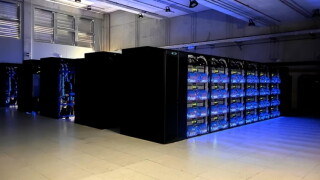
With the latest addition, the Italian major’s computational capacity passes the exaflop threshold, making the firm the world’s leading company by computing power in the new TOP500 global ranking.

This case study describes how edge computing and industrial internet of things platforms were deployed to automate and optimize production operations across four distinct basins.
-
 The goal is to support the development and sharing of best-practice approaches for project delivery and asset operations using cloud services and digital workflows in engineering and operations.
 -
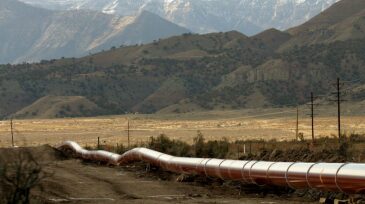
The federal agency now charged with overseeing cybersecurity for US pipelines is ill equipped to do the job, say two top regulators who want the role given to the Energy Department.
-
Since 9/11, no new rules or regulations have been promulgated to address pipeline or liquified natural gas facility security. Although the Transportation Security Administration recently released an updated version of its "Pipeline Security Guidelines," those guidelines remain advisory.
-
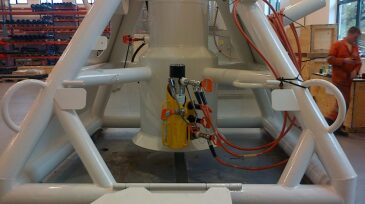
Acquiring data from an abandoned subsea well has been done before, but never quite like this.
-
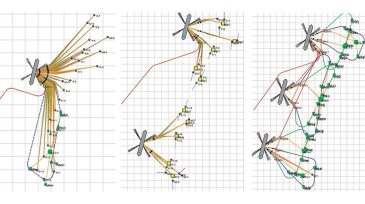
A startup company has created a system to create thousands of offshore development ideas by rapidly putting together components like building blocks, which its founders argue will force design teams to look outside their comfort zone.
-
Some operating companies are now enlisting engineers as foot soldiers in their analytics army. It is not required yet, but those looking to get ahead would be wise to get involved.
-
A single-well polymer-injection and back-production test has been performed in an oil and gas field offshore Norway. The objective of the test was to verify at field conditions the properties measured in the laboratory for the biopolymer schizophyllan.
-
Wearable computers are turning heads in the oil and gas industry and appear to be on a trajectory for widespread adoption.
-
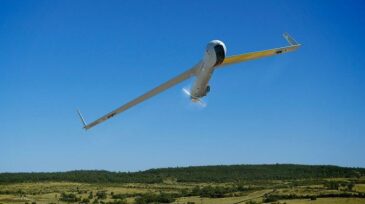
Ground sensors on assets over a broad area have limited returns on investment if the asset life cycle is less than 10 years, and obsolescence of the technology if it exceeds 10 years. Complementing sensors with aerial remote sensing at scale may help to mitigate these issues.
-
Unconventional operators are finally beginning to use to their advantage the nearly endless stream of data they’ve collected over the years. ConocoPhillips explains how it has seen real improvements in its operations by removing data friction and opening up access across typical work silos.