Data & Analytics

This research focuses on combining physics-based expert rules with machine learning to improve the detection of failure-related events in electrical submersible pumps.

A combination of physics principles and machine-learning techniques is used in this work to develop a virtual flowmeter for oil-production optimization in electrical-submersible-pump-lifted oil wells, resulting in reliable generalization.

This paper presents the deployment of an artificial intelligence-enabled autonomous gas lift optimization system, integrating real-time centralized advanced process control with cloud-based analytics to enhance artificial gas lift performance in producer wells.
-
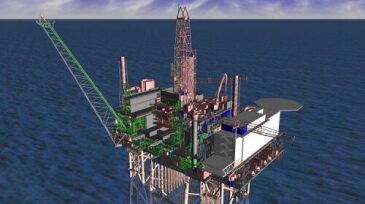
 The Azeri Central East platform is the first of its kind to be designed through all phases, from concept to front-end engineering design and detailed design, to fully use KBR’s digital twin technology.
 -
A systematic approach to ensure quality assurance is intended to build confidence and accelerate the uptake of digital twins.
-
What happens when proactive regulations get ahead of our ability to gather and understand data? Are you guilty before being proven innocent or even being aware of what the data is saying? Are oil and gas operators on the defensive before they even get started with new regulations?
-
Phase 1 covers the modeling and monitoring of assets for six ADNOC Group companies. The four phases of the project are expected to be completed by 2022.
-
New guidelines from the European Union Agency for Cybersecurity recommend that all stages of the IoT device lifecycle need to be considered to help ensure devices are secure.
-
SponsoredWith an intense focus on improving returns and cash flow, oil and gas producers need step-change improvement in managing production versus plan. Embracing AI is critical to overcoming today's tools that largely fall short of achieving that ultimate goal.
-
The agreement signed by Schlumberger, AIQ, and Group 42 is designed to develop and commercialize artificial intelligence for global exploration and production.
-
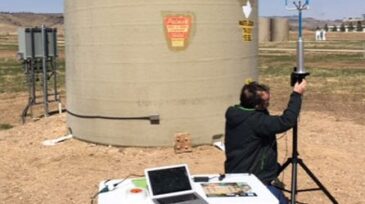
A new study confirms the success of a natural-gas leak-detection tool pioneered by Los Alamos National Laboratory scientists that uses sensors and machine learning to locate leak points at oil and gas fields, promising new automatic, affordable sampling across a vast natural gas infrastructure.
-
The success of any digital oilfield project is predicated on the quality of the data structure, acquisition, communication, validation, storage, retrieval, and provenance of the data.
-
A recent datathon and the team that took home the grand prize help paint a picture of both the industry’s’ digital transformation and how oil and gas engineers are embracing it to navigate uncertain times.