Data & Analytics

A combination of physics principles and machine-learning techniques is used in this work to develop a virtual flowmeter for oil-production optimization in electrical-submersible-pump-lifted oil wells, resulting in reliable generalization.

After years of market shocks, technological breakthroughs, and rising uncertainty, ATCE 2026 will provide new insights on how industry leaders and technical experts are preparing for the next era of the upstream business.

This research focuses on combining physics-based expert rules with machine learning to improve the detection of failure-related events in electrical submersible pumps.
-
 While both are raw resources, data is reusable. A CERAWeek panel said infrastructure and cultural change are needed to drive the transformative value of data.
 -
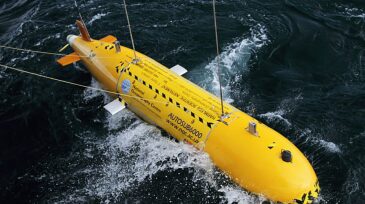
Scientists at the National Oceanographic Centre have released a review of how marine robotic capabilities can support the environmental monitoring needed for decommissioning oil and gas installations.
-
HSE data is ever growing, especially in high-risk industries. So, how can you apply data science and artificial intelligence to help see beyond current practices and gain even greater insights into safety data?
-
Woodside has invested in Sapien Cyber, a Western Australian company specializing in the protection and security of critical infrastructure.
-
Data volumes are growing at an exponential rate. How can high-performance computing solutions help operators manage these volumes? Will faster, stronger processors and cloud computing solutions be the answer?
-
The two technology startups aim to bring scale to the visual side of oilfield automation with a new deal that will cover 90% of US energy assets.
-
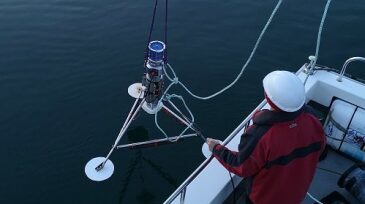
The company plans an innovative application of oceanographic instrumentation to maximize recovery at its Johan Sverdrup oil field in the North Sea.
-
Oil companies generate an enormous amount of data but are reluctant to share it. But more sharing of information may be required in the future to keep up with a rapidly changing energy landscape.
-
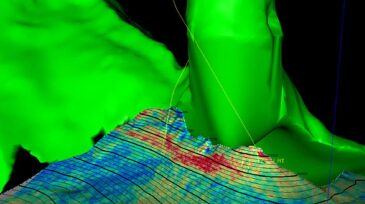
High-performance computing is an important piece of the puzzle for operators looking to integrate field models with surface facilities. Next-generation processors and accelerators should help build the systems needed to meet industry's growing demands, but the tools may be reaching their limits.
-
The TRITON/TRISIS/HatMan malware incident proved that the worlds of process safety and industrial control systems should be looked at holistically, not just from the standpoint of potential cyberthreats.