Data & Analytics

Sponsored
With operators under pressure to deliver more energy with fewer resources, predictable drilling performance is more important than ever. Discover how a unified digital workflow can turn drilling data into better decisions and consistent execution—providing the foundation for autonomous drilling and more predictable, profitable, and productive wells at scale.
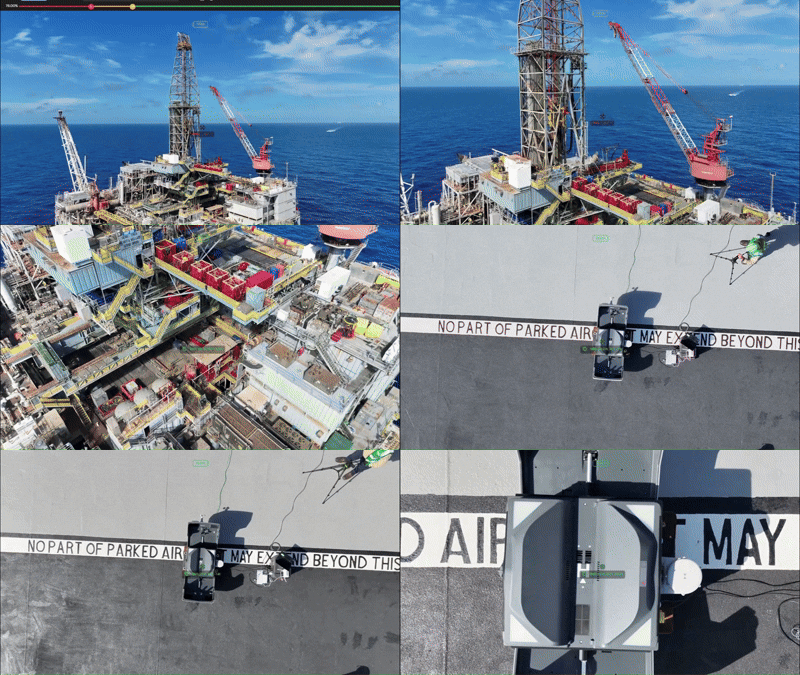
Shell has demonstrated drone-in-a-box operations from its Mars floating production unit, becoming the first operator in the region to secure FAA approval for self-approved offshore beyond-visual-line-of-sight flights. JPT Senior Technology Editor Jennifer Pallanich visited Shell Technology Center Houston to see the system in action.

Panelists at the SPE Subsea Well Intervention Symposium discussed where AI is delivering value today, where risks remain, and how engineers can best determine its usefulness.
-
 Understanding the subsurface is crucial to the success of carbon capture and storage, and digital solutions are essential for an accurate analysis of the subsurface being considered.
 -
Health, safety, and environment operations can be greatly enhanced by using artificial intelligence (AI) techniques on HSE data. One important aspect inherent in this process is the need to establish trust in the AI system among the users.
-
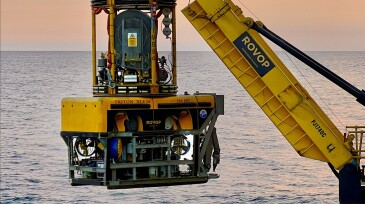
The 5-year contract with global ROV equipment and services provider ROVOP supports Energean’s field development within the wider Katlan area adjacent to Israel’s Karish gas field.
-
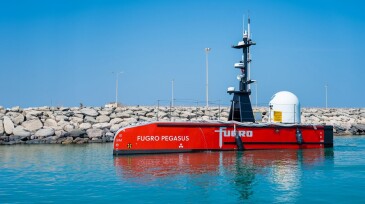
The site survey and inspection of an offshore gas platform in UAE waters was executed entirely from an onshore remote operations center without sending personnel offshore.
-
With a rapid transition toward renewable energy, the energy sector has an increased reliance on technology. This makes it particularly vulnerable with regard to cybersecurity.
-
Registration is open for the SPE Europe Energy GeoHackathon, which will be held in October and November. It will be preceded by 4-week online bootcamp sessions on data science and geothermal energy, which will begin on 2 October.
-
Decades of experience injecting fluids into the ground has revealed a fundamental truth: No two injection sites are the same. A thorough understanding of site-specific conditions is essential to ensure safe and secure long-term subsurface disposal of carbon dioxide.
-
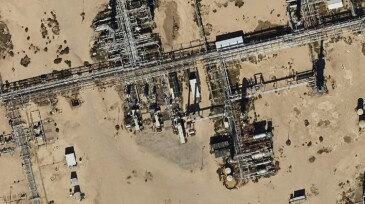
Advanced aerial imagery—be it collected from drone, satellite, or fixed-wing aircraft—is one of the best options available for securing the critical information needed to run things smoother in the oil field.
-
A Houston startup that is developing a technology to detect methane leaks has moved on to Phase 2 of Chevron's business accelerator.
-
The company said its expanded XIO series of remote controllers provides real-time monitoring and control, improved data accessibility, and enhanced data integrity.