Data & Analytics

This research focuses on combining physics-based expert rules with machine learning to improve the detection of failure-related events in electrical submersible pumps.

A combination of physics principles and machine-learning techniques is used in this work to develop a virtual flowmeter for oil-production optimization in electrical-submersible-pump-lifted oil wells, resulting in reliable generalization.

This paper presents the deployment of an artificial intelligence-enabled autonomous gas lift optimization system, integrating real-time centralized advanced process control with cloud-based analytics to enhance artificial gas lift performance in producer wells.
-
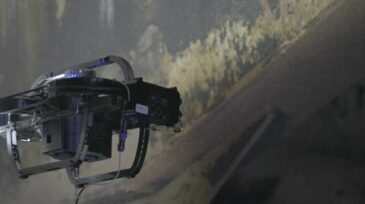
 A recent test proved the feasibility of using LiDAR on remote-controlled drones to create 3D maps of the inside of tanks, increasing the safety and efficiency of inspections.
 -
Machine learning enables fast, cost-effective, and accurate methane emissions detection in remote areas.
-
The aerospace giant is launching a new business unit to cash in on the autonomous aviation market. It will act as a systems integrator for all Honeywell products and services that could be used in this industry.
-
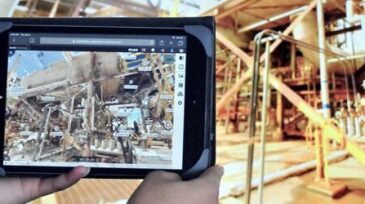
Three-dimensional seismic technology helped unlock more subsurface secrets for oil and gas operators. Now, 3D technology can be used in scanning, a cutting-edge technology that engineers can use to plan upgrades to oil and gas assets virtually.
-
Artificial intelligence just seems to get smarter and smarter. But some of the improvement comes from tweaks rather than the core innovations their inventors claim—and some of the gains may not exist at all, says Davis Blalock, a computer science graduate student at MIT.
-
Launched in collaboration with industry leaders and academia, the Microsoft Energy Core aims to accelerate digital transformation, build coalitions for responsible innovation, deliver skilling initiatives, and address sustainability and societal challenges.
-
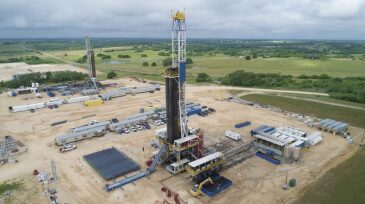
Greg Leveille said he is optimistic that the shale sector will be able to bounce back from its second downturn in 5 years. The trick this time, he says, will be not just investing in new digital technologies but putting them to work.
-
A new tool developed by Kosmos Energy is allowing the exploration and production company to keep better track of the effect it is having on the environment.
-
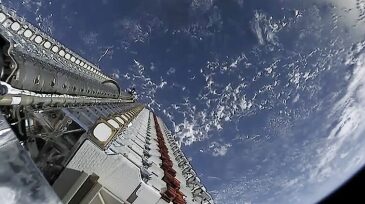
For years, the oil and gas industry has stored its seismic data on tape. While that had been the best format for the time, it wasn’t very efficient. Now, a rapidly growing network of satellites, coupled with cloud storage, is set to neutralize that problem.
-
A blockchain pilot program conducted by an oil and gas consortium has shown promise in automating payments for oilfield water handling.