Data & Analytics

Working with Dell Technologies and NVIDIA, the French supermajor is targeting improved seismic processing and artificial intelligence applications.

A discussion at the inaugural executive breakfast convened by the SPE Data Science and Engineering Analytics Technical Section, held alongside CERAWeek by S&P Global and powered by Black & Veatch, tackled the challenge of value creation from artificial intelligence in the energy industry.

AI‑driven data center growth is straining US power grids and accelerating interest in enhanced geothermal systems as a scalable, low‑carbon solution.
-
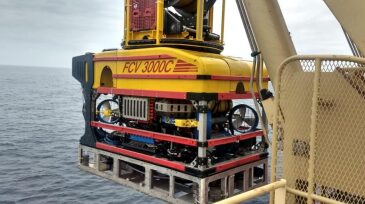
 The 3-year contracts were awarded to Solstad, OceanPact, and Fugro.
 -
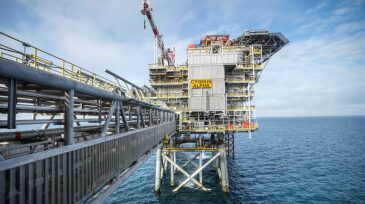
Using 3D and artificial intelligence technologies, a digital map of all three bridge-linked jackets was captured, enabling Neptune to detect asset-integrity issues early and plan fabric maintenance work on Cygnus.
-
In this 30-minute interview, Angela Dang Atkinson, a data scientist with Cognite, talks about what skills beyond technology new petroleum engineers need and what challenges they will face in the digital oil field.
-
Weatherford will embed INT’s IVAAP framework into the Weatherford Centro digital well delivery software, advancing its data-visualization capabilities.
-
As companies begin to embrace the concepts of digitalization and big data, the main challenge remains: How do we make a step change in reducing human error in heavily paper-based operating and maintenance procedures?
-
The companies say they expect the alliance to provide an integrated, open-architecture software platform designed to maximize asset potential.
-
A volatile market, and a shift to more remote operations during the global pandemic has been a catalyst for demand for mIQroTech’s leak-detection technology
-
Forced to tighten their belts financially by the coronavirus pandemic, businesses are increasingly using software that automates back-office tasks. The idea, of course, is for companies to save money by reducing the number of workers they need to handle clerical work.
-
The Oil and Gas Technology Centre’s first virtual hackathon—Code[Less]—will take place 21–24 September, with 75 participants teaming up to solve challenges, without using coding, to raise awareness of the demand for automation and innovation in the energy sector.
-
It's not just semantics. Companies that fail to understand the differences between data privacy and data security put their brands and bottom lines in jeopardy.